
Learn More About
Medical Treatments
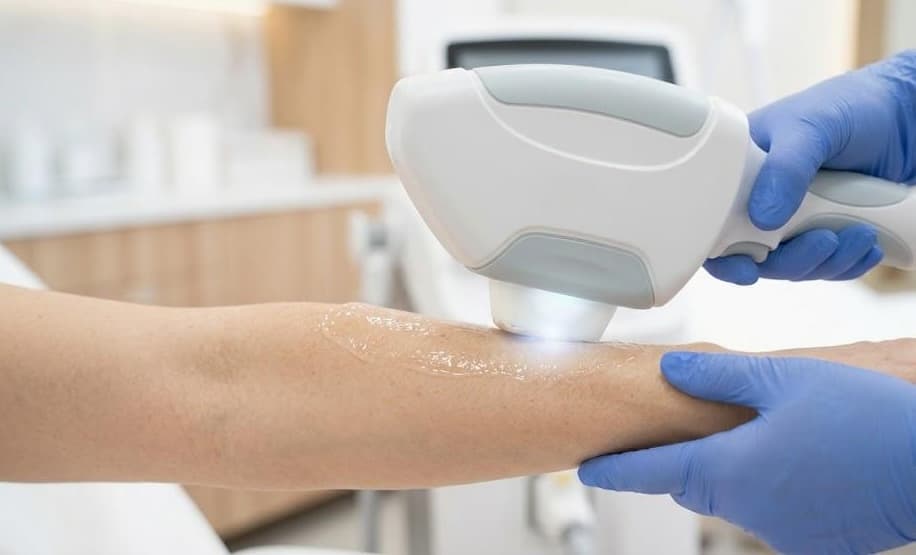
Bikini vs. Brazilian laser hair removal: what is the difference?
Laser Hair Removal · Published September 2026
Bikini laser usually refers to hair reduction around the underwear line; Brazilian usually means a wider pubic-area treatment. The useful difference is coverage, not a stronger kind of laser. Confirm the exact boundaries with your provider before booking.
Should you shave before laser hair removal?
Laser Hair Removal · Published September 2026
Usually, yes: shaving removes surface hair while leaving the hair below the skin available for laser targeting. Mayo Clinic lists shaving the day before as typical preparation. Follow your treating provider’s instructions for your appointment.
Laser hair removal vs. waxing: which fits your goals?
Laser Hair Removal · Published September 2026
Waxing removes existing hair for temporary smoothness. Laser treatment targets pigmented hair follicles to reduce future growth over a series of visits. Choose based on whether you want a temporary grooming result or a longer-term reduction, as well as your hair and skin characteristics.
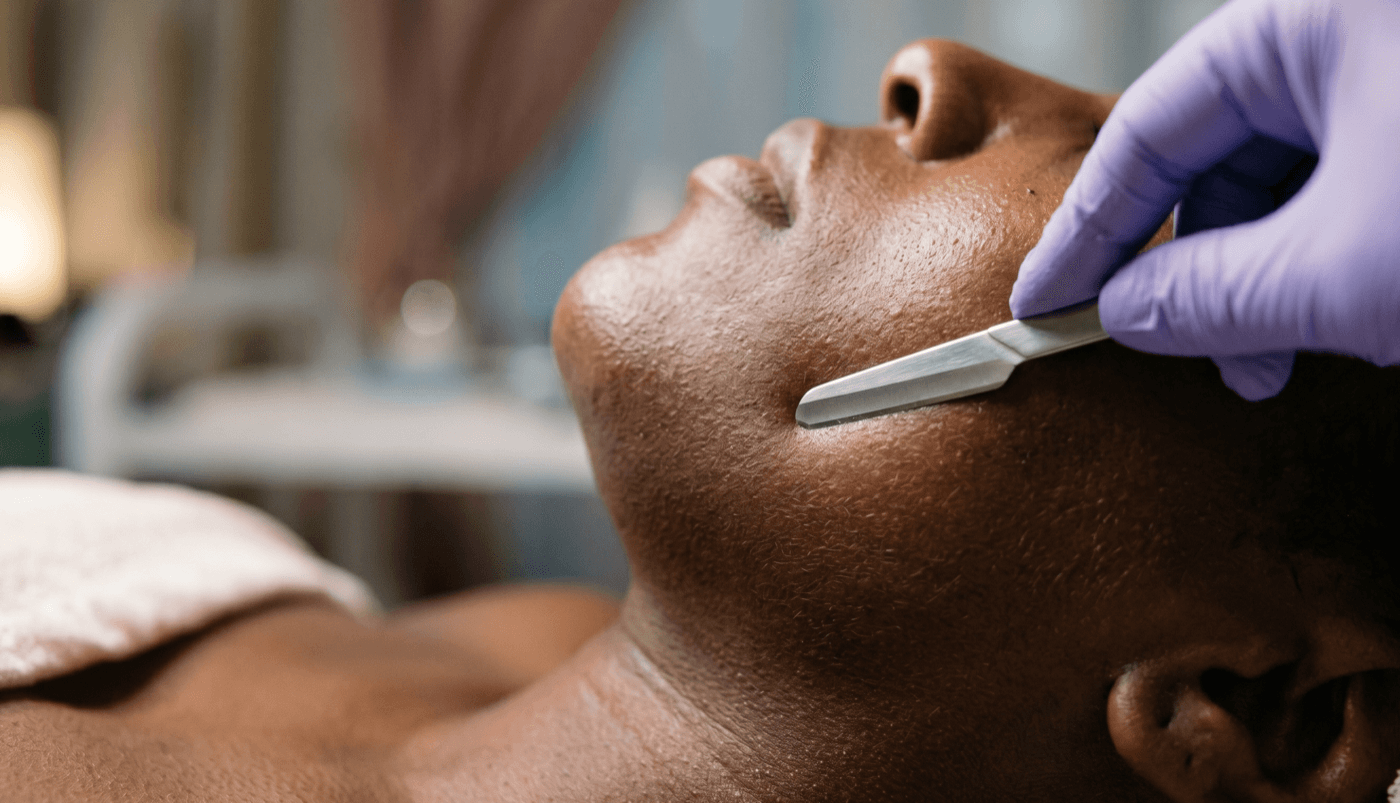
Does dermaplaning make facial hair grow back thicker?
Dermaplaning · Published September 2026
No. Dermaplaning removes hair at the skin’s surface without changing the follicle that produces it. Peach fuzz can feel different as it returns, but removing it does not turn it into thicker facial hair.
Can laser hair removal remove gray or white hair?
Laser Hair Removal · Published September 2026
Gray and white hairs usually respond poorly to laser hair removal because they contain little or no melanin, the pigment the laser targets. Electrolysis can treat light hairs because it does not depend on pigment.

Why does laser tattoo removal need multiple sessions?
Tattoo Removal · Published September 2026
A laser breaks tattoo ink into smaller particles, but the body clears those particles gradually. Multiple sessions are needed because ink cannot all be safely treated at once, and skin needs recovery time between treatments.
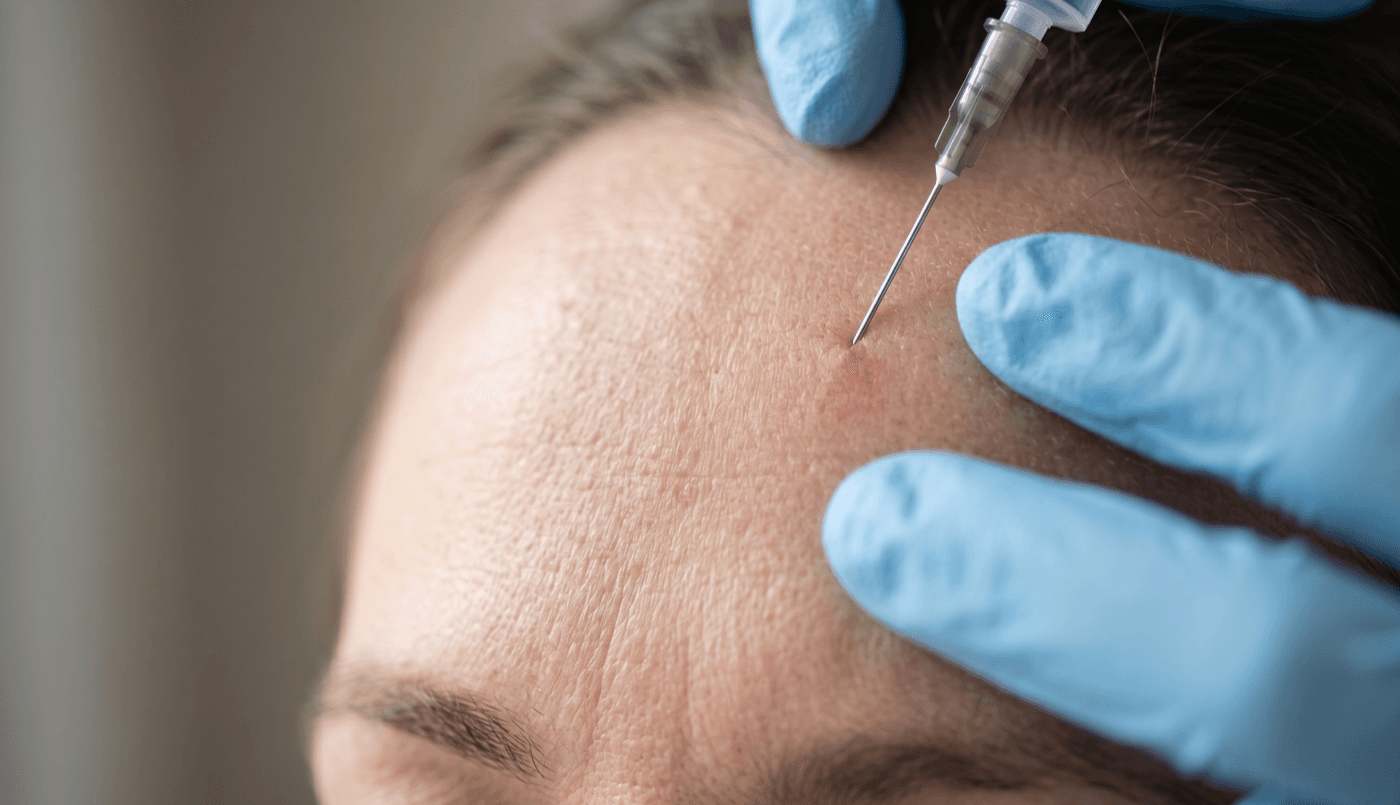
Botox in NYC: what should your quote include?
Botox · Published September 2026
A per-unit rate is only one part of a Botox quote. Confirm the product, treatment areas, proposed units, and follow-up arrangements before booking.
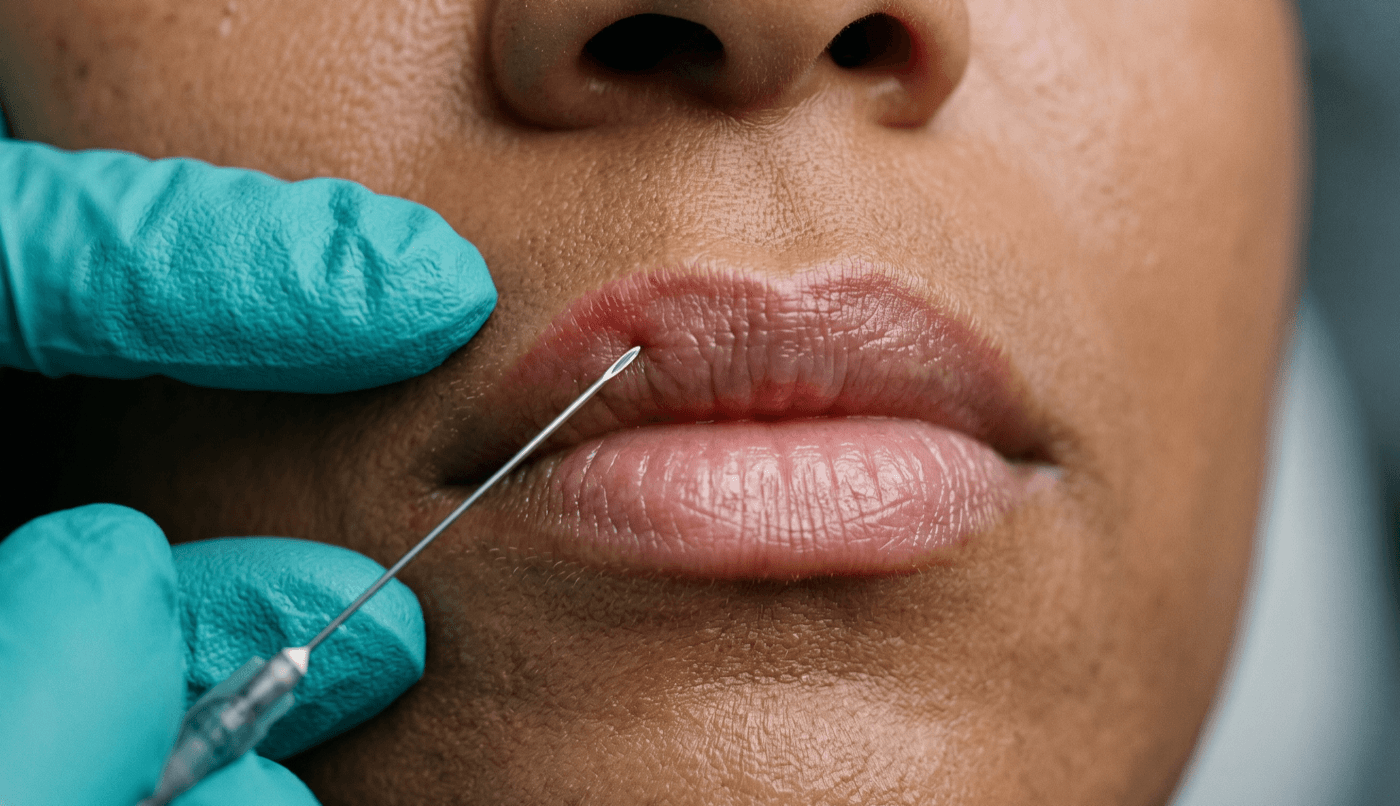
Lip filler in NYC: what are you paying for?
Lip Filler · Published September 2026
Confirm the filler product, syringe volume, and follow-up arrangements—not just the headline price—before committing to lip treatment.
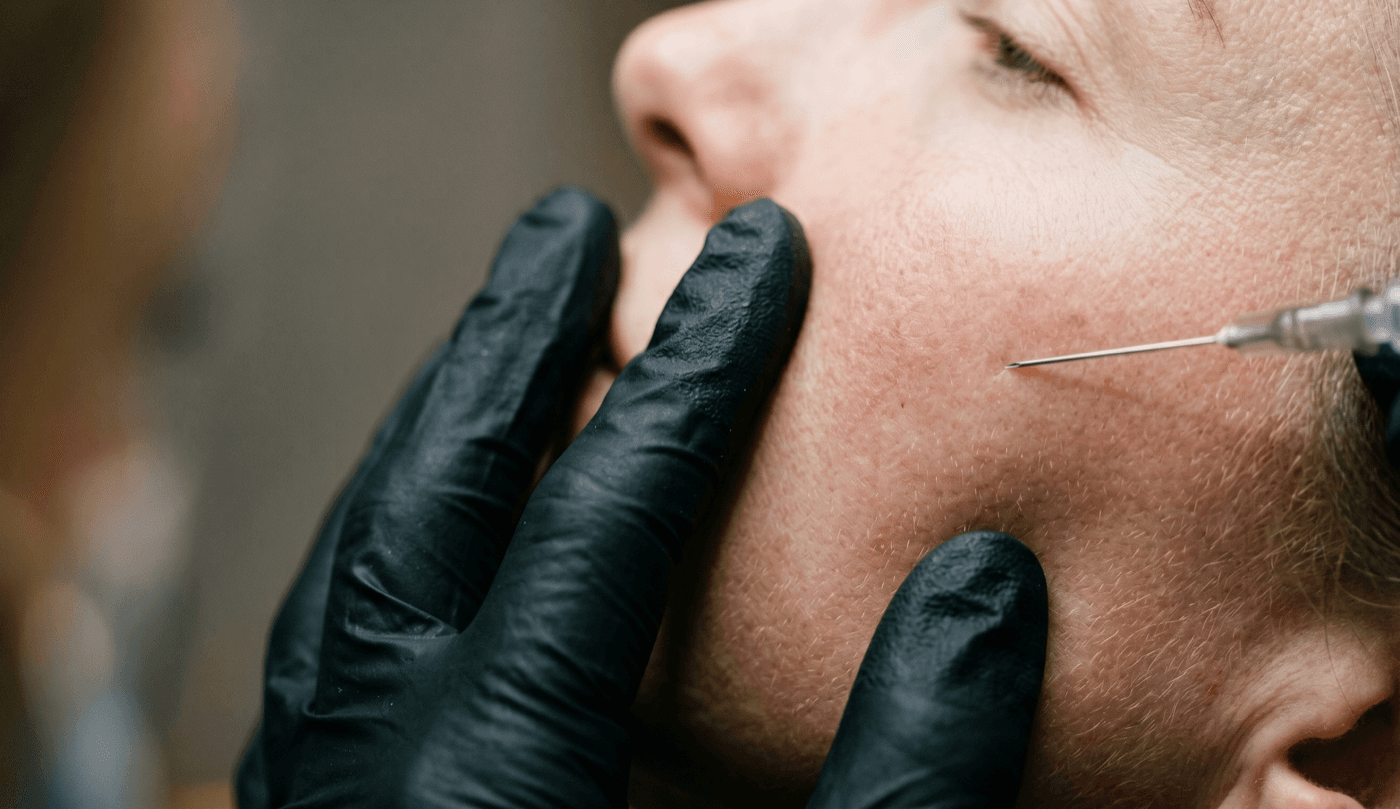
Sculptra in NYC: how should your treatment plan be priced?
Sculptra · Published September 2026
A vial price is not the price of a complete Sculptra plan. Clarify the proposed visits, total vials, and reassessment points before committing.
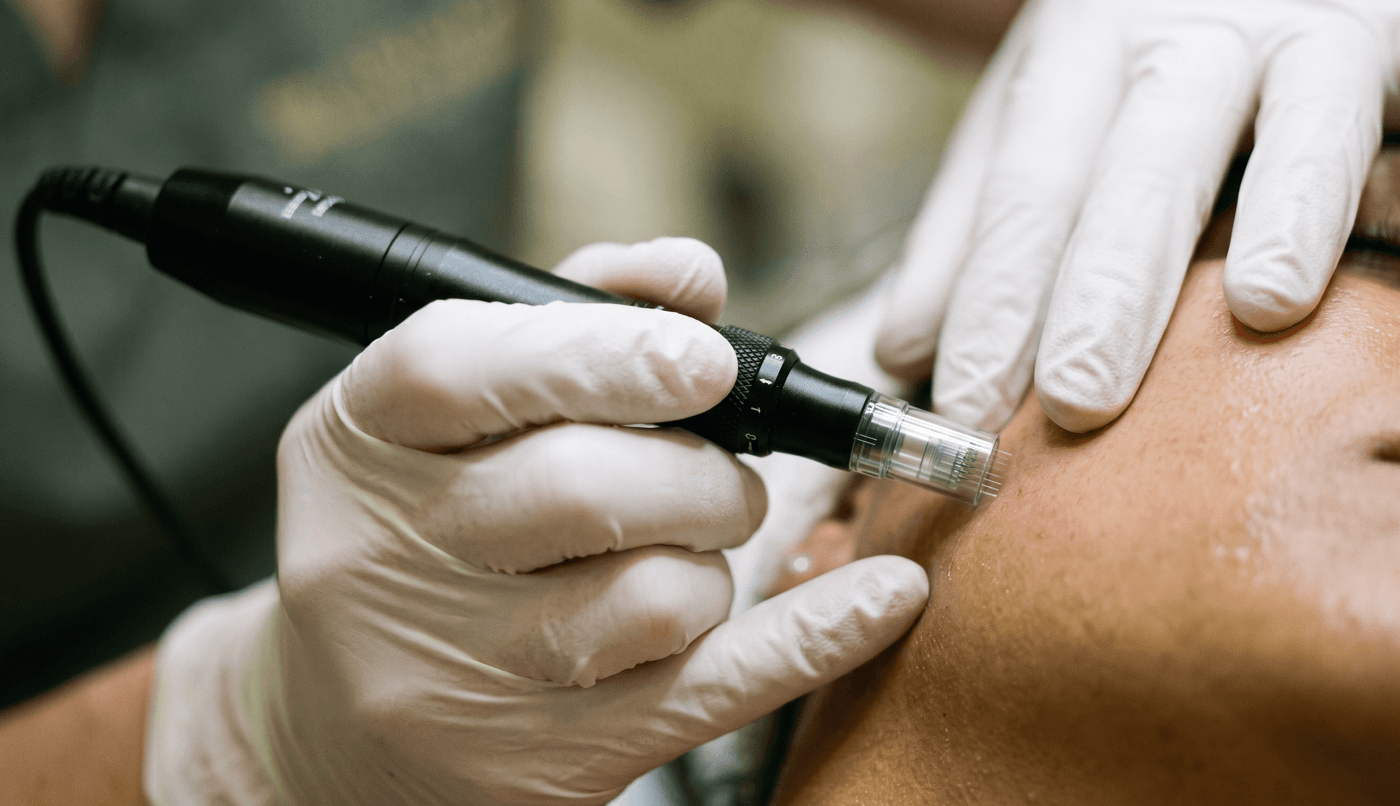
RF microneedling in NYC: what should you confirm before booking?
RF Microneedling · Published September 2026
Verify that your quote includes radiofrequency, identify the device, and discuss the treatment area and safety plan before paying.
Laser hair removal in Brooklyn: what should your quote cover?
Laser Hair Removal · Published September 2026
Check the exact treatment area, included visits, and total commitment. LovMedSpa’s Brooklyn clinic is at 1 Boerum Place, Suite 252.
How much is Botox in Brooklyn?
Injectable Pricing · Reviewed August 2026
Botox is $15 per unit at the retail rate, and $12, $11, or $10 per unit on the Essential, Premium, and Elite memberships; Xeomin runs $12 down to $8. Your total is the per-unit rate times the units your injector maps at your consult.
Can you get laser hair removal on dark skin without burning?
Laser Hair Removal · Reviewed August 2026
Yes, with a 1064 nm Nd:YAG laser — not a diode, not an alexandrite, and never IPL. Most burns and pigment damage on Fitzpatrick IV–VI skin come from the wrong device, not difficult skin. What a safe protocol looks like, from test patch to session spacing.
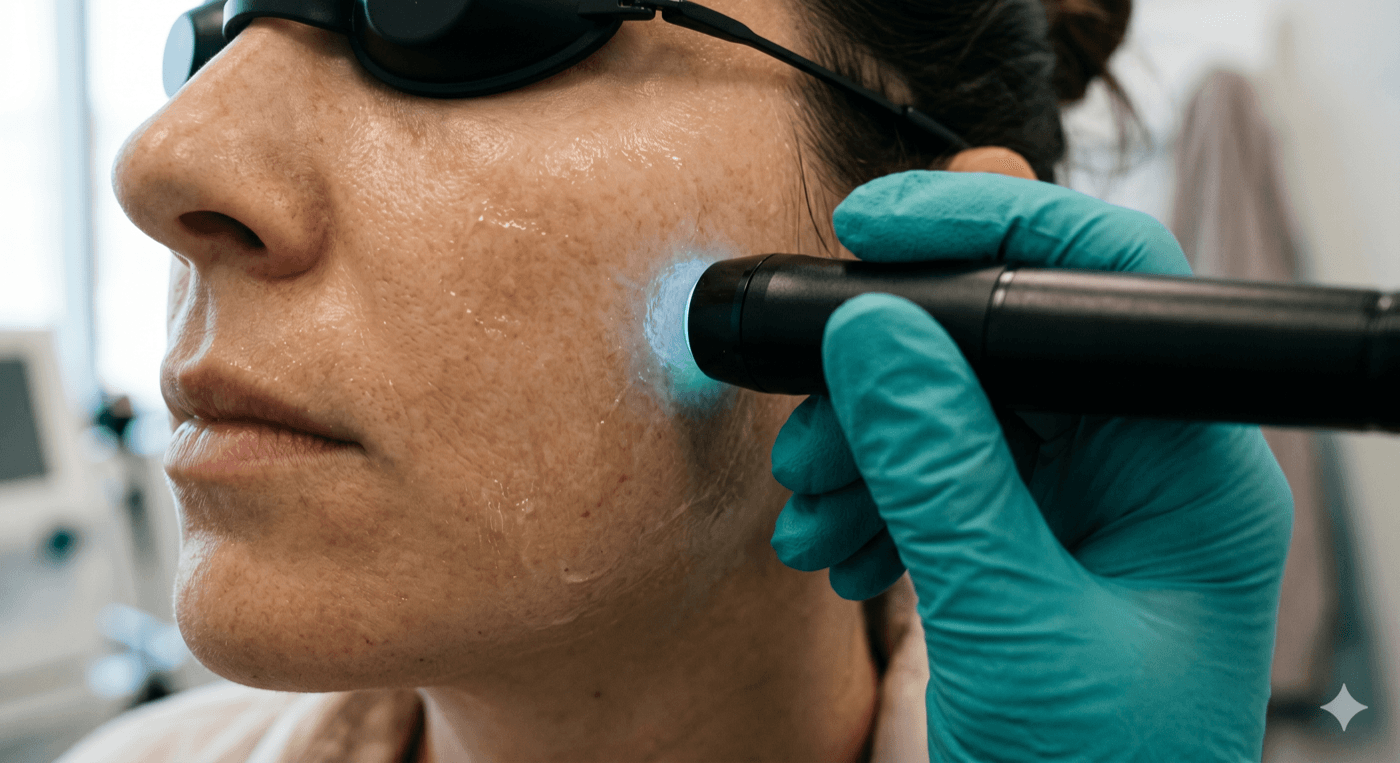
Why does melasma keep coming back after laser treatment?
Pigmentation · Reviewed August 2026
Melasma is hormonally driven and heat-sensitive: a laser clears what's visible but not the signal telling pigment cells to keep producing — and treatment heat itself is a trigger. Why low-and-slow holds, why IPL backfires, and what a realistic year looks like.
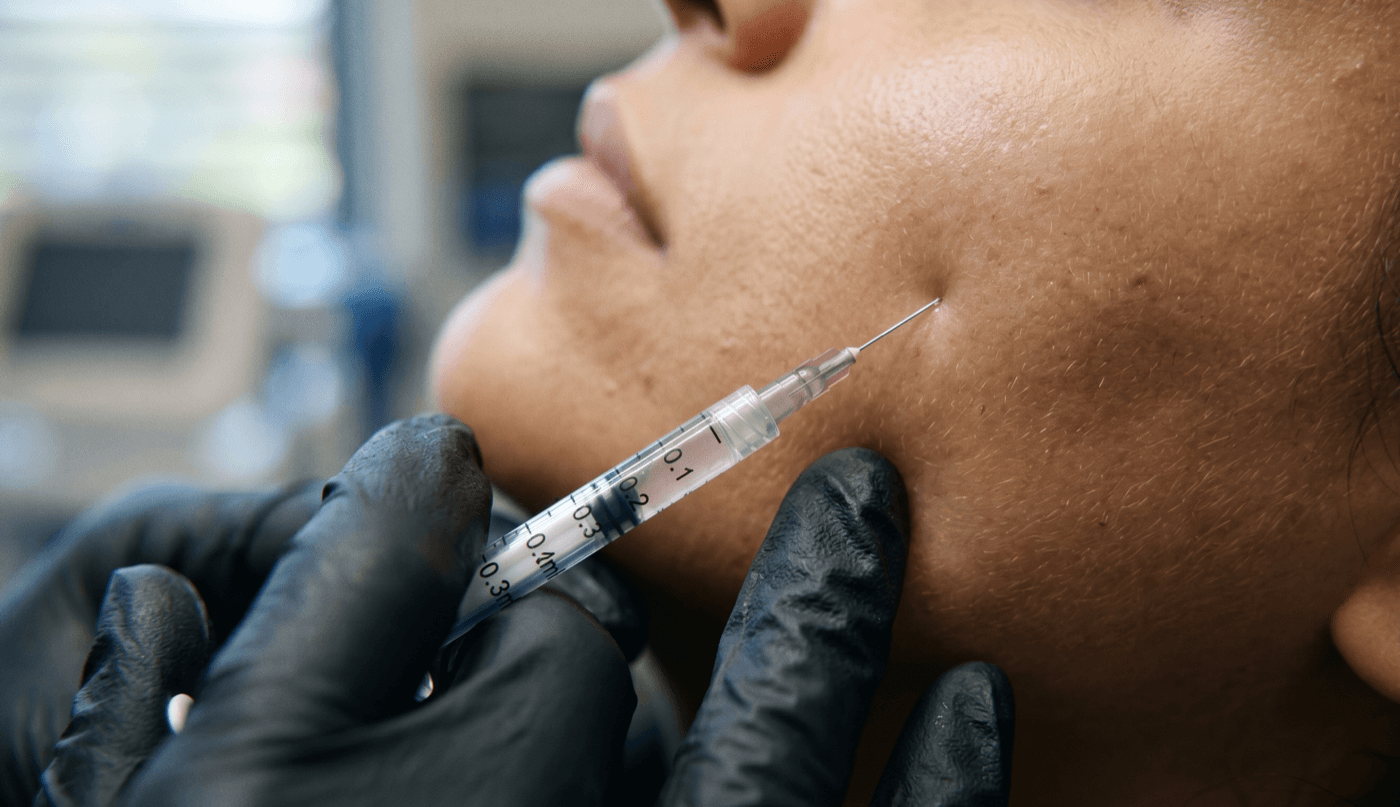
How do you know if your filler needs to be dissolved?
Filler Safety · Reviewed August 2026
Four signs point to dissolving rather than adding more: a blue-grey Tyndall cast, migration outside the placement zone, a face that reads heavier in photos from quiet accumulation, and nodules or asymmetry past 4–6 weeks. How hyaluronidase works and what it can't touch.
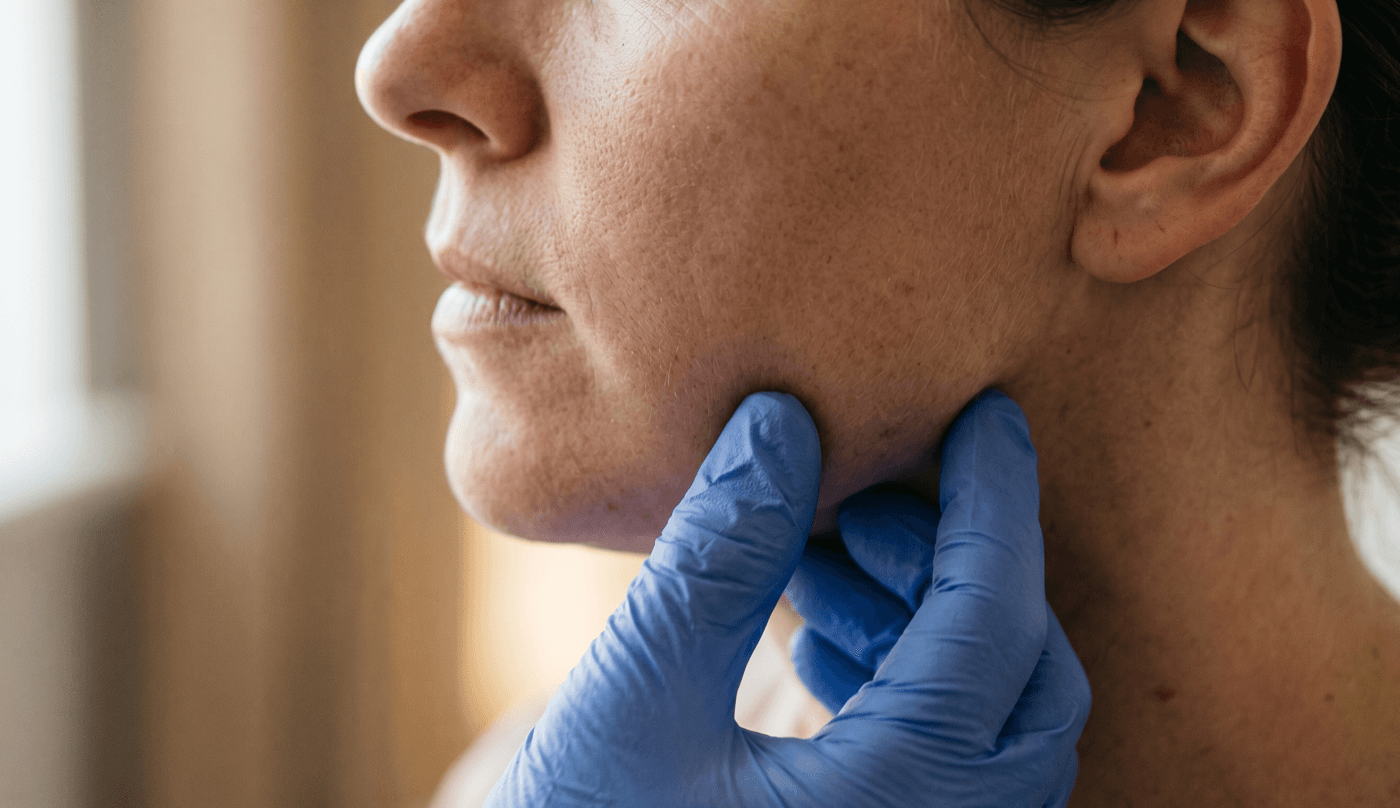
What happens to your jaw when you stop getting masseter Botox?
Masseter Botox · Reviewed August 2026
The muscle returns over roughly 6–12 months, though years of consistent treatment often leave a partially slimmer lower face. Why chewing feels different for a few weeks, and the real difference between stopping a cosmetic treatment and stopping a TMJ one.
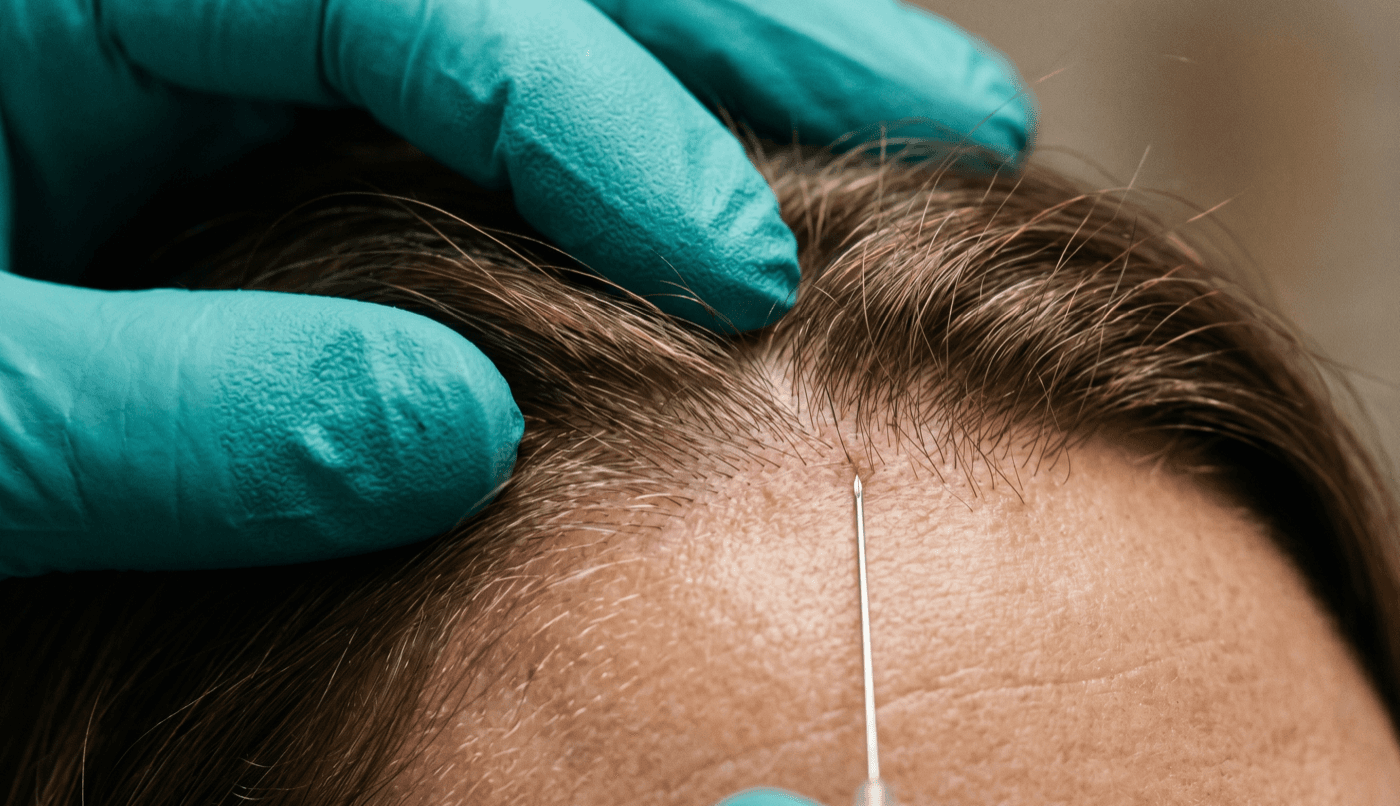
Does PRP for hair loss actually work, and how long before you know?
Hair Restoration · Reviewed August 2026
PRP works for early-to-moderate androgenetic thinning where follicles are still alive — not scarred or fully dormant scalp. Three sessions 4–6 weeks apart, judged no earlier than month four. Why bloodwork first, and why PRP alone underperforms.
Why do under eye fillers sometimes make dark circles look worse?
Under-Eye Treatments · Reviewed August 2026
Most dark circles aren't hollowness — they're pigment, vascular show-through, or laxity, and filler fixes none of those. HA pulls water into an area with almost no lymphatic drainage, producing malar edema or a Tyndall cast. Matching the cause to the treatment.
Can you get a BBL without surgery?
Liquid BBL · Reviewed July 2026
A liquid BBL uses injectable biostimulators like Sculptra to add volume, improve shape, and smooth hip dips without fat transfer surgery or weeks of recovery. Results build over 2 to 3 sessions and last 2 years or longer.
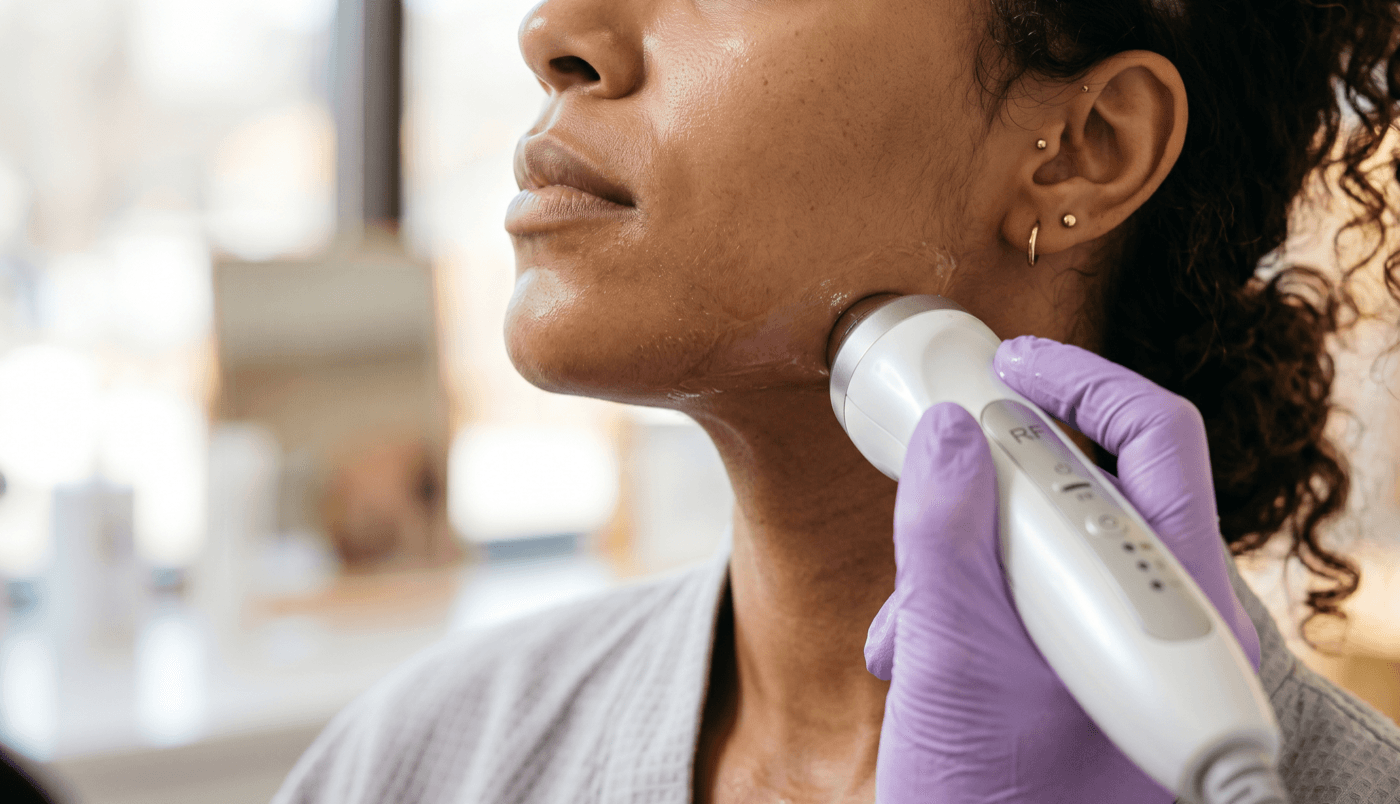
How can I tighten loose skin on my face without a facelift?
Skin Tightening · Reviewed July 2026
RF microneedling delivers heat deep into the dermis to remodel collagen, tightening jowls, jawline, and neck over 2 to 3 sessions with 1 to 2 days of downtime. What it can do for mild to moderate laxity, and where the honest surgical threshold sits.
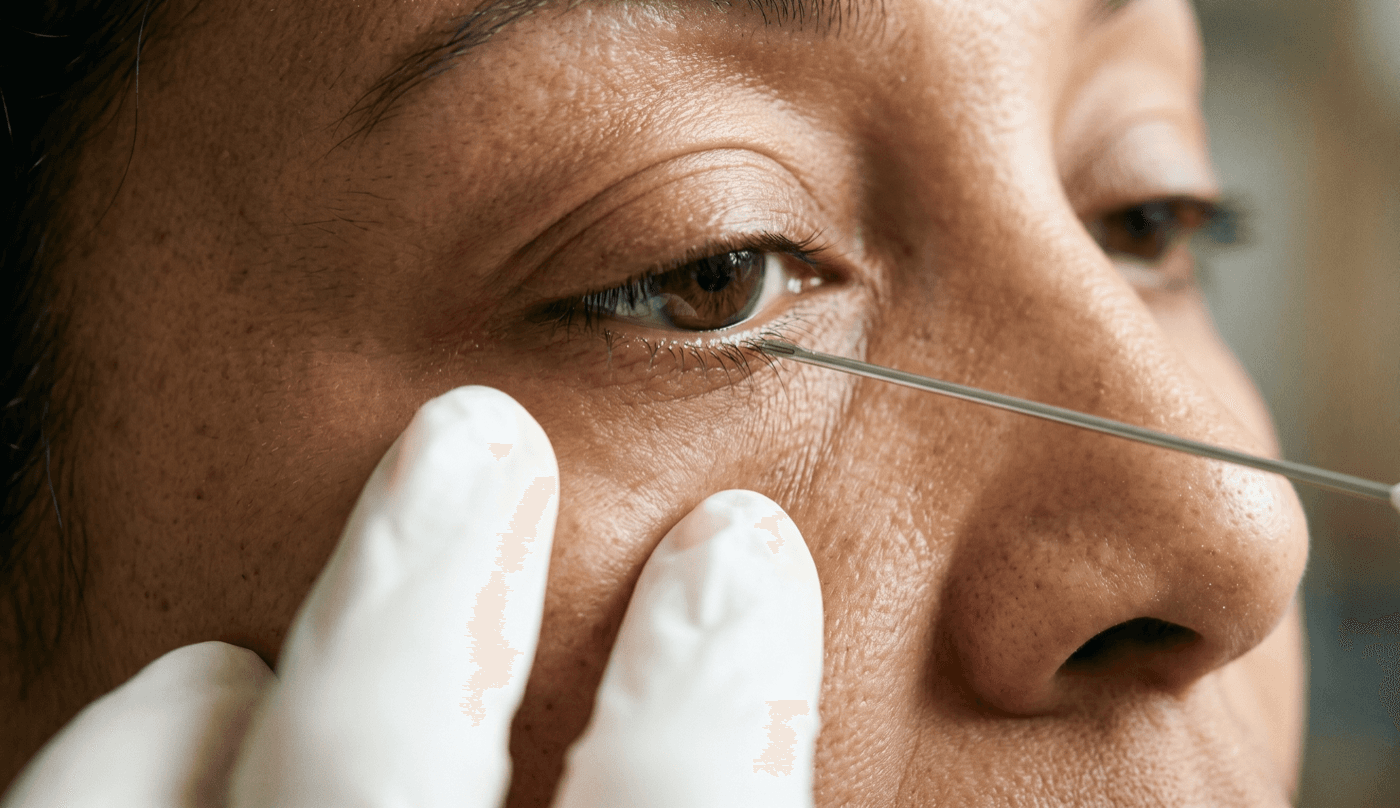
What actually works for under-eye hollows and dark circles?
Under-Eye Treatments · Reviewed July 2026
Volume loss responds to tear trough filler or PRF. True pigment responds to laser and medical-grade skincare. Thin, crepey skin responds to PRF and gentle RF. Identifying which cause you have is the whole game, because treating the wrong one produces no result.
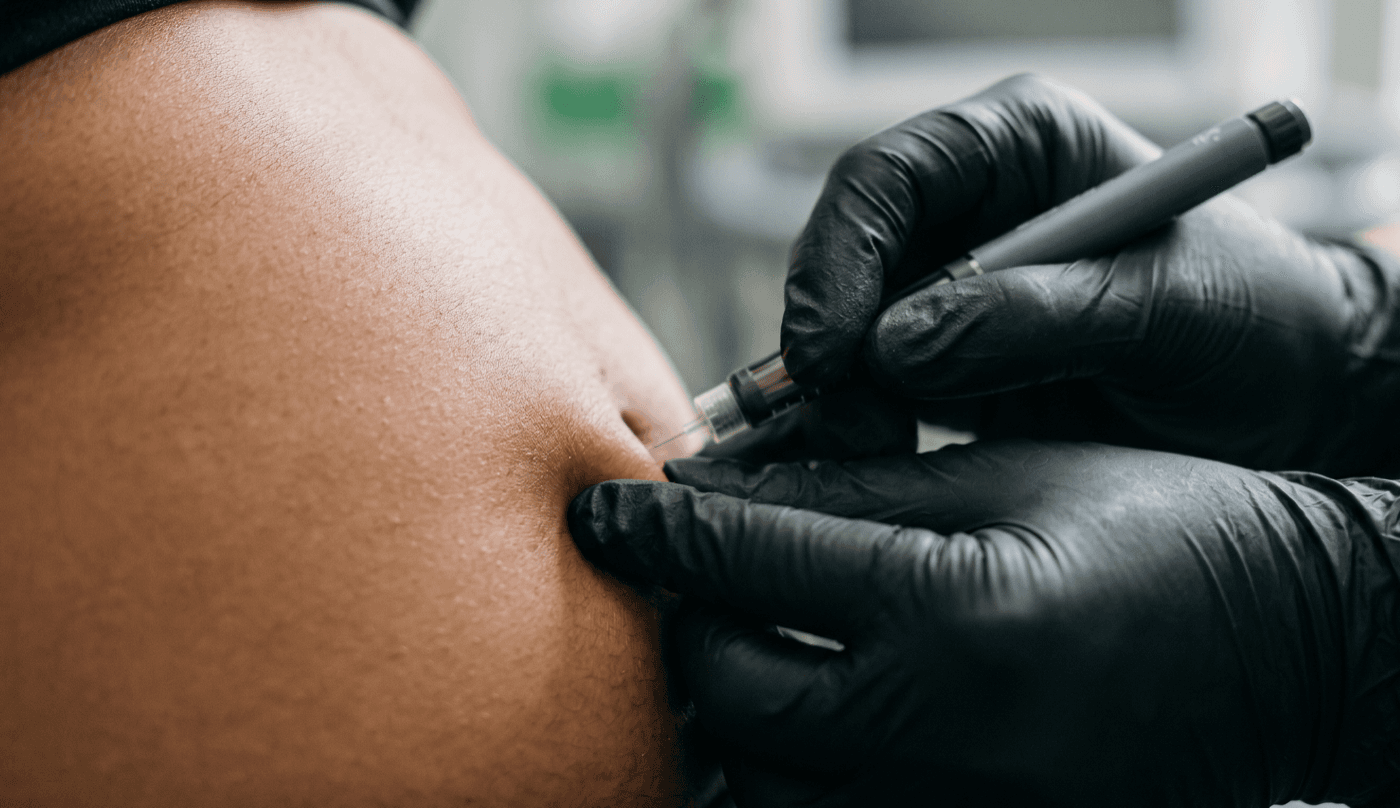
Why does GLP-1 dosing start so low and move up so slowly?
Weight Management · Reviewed July 2026
The four-week titration schedule is a tolerance protocol, not a billing schedule. Nausea, reflux, and early fullness are dose-dependent and fade with continued exposure — escalating before that adaptation happens is the top reason people quit in the first eight weeks.
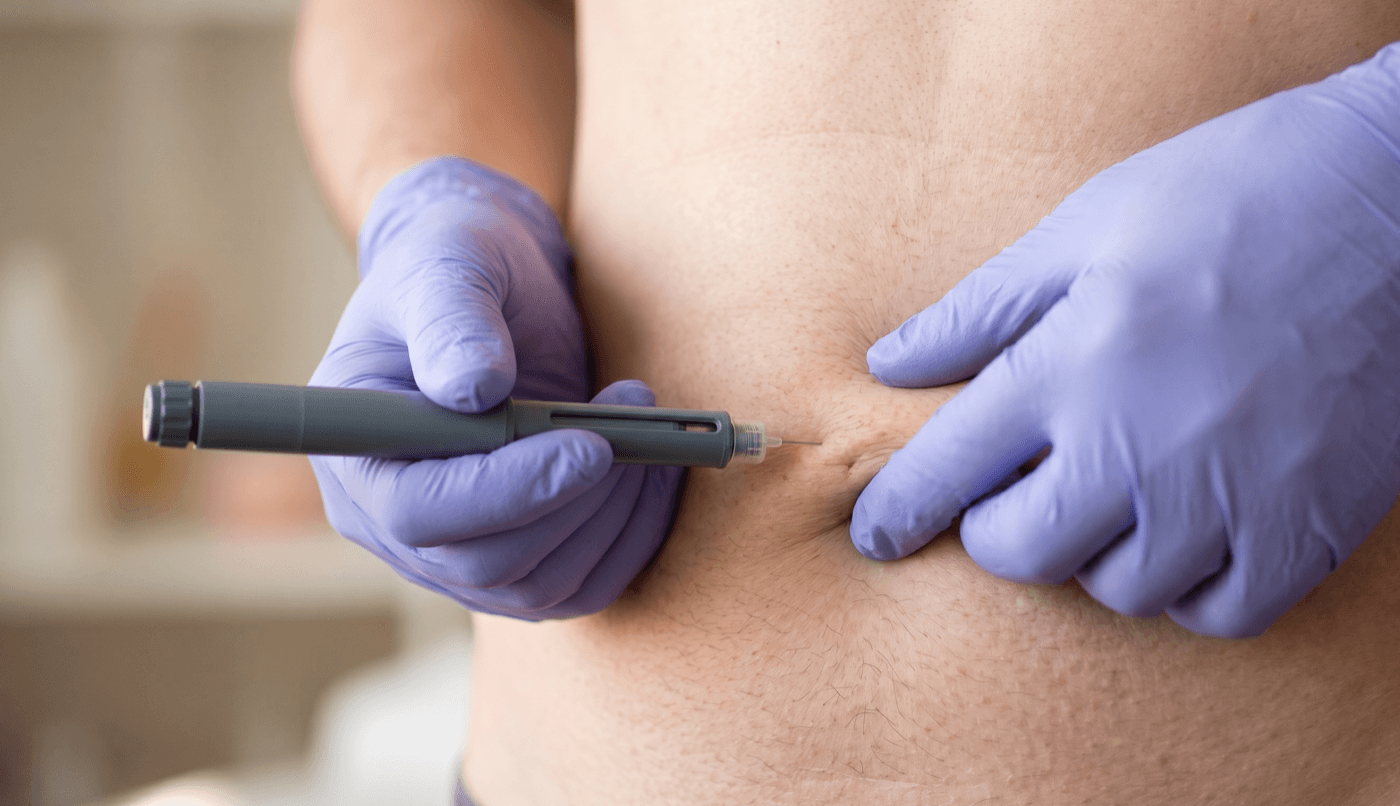
How much of GLP-1 weight loss is muscle, and what changes that?
Weight Management · Reviewed July 2026
DXA substudies put lean tissue at roughly a third to 40 percent of total mass lost — consistent with any rapid deficit, not a drug-specific defect. Protein intake and resistance training are what shift the ratio, and the scale won't show you the difference.
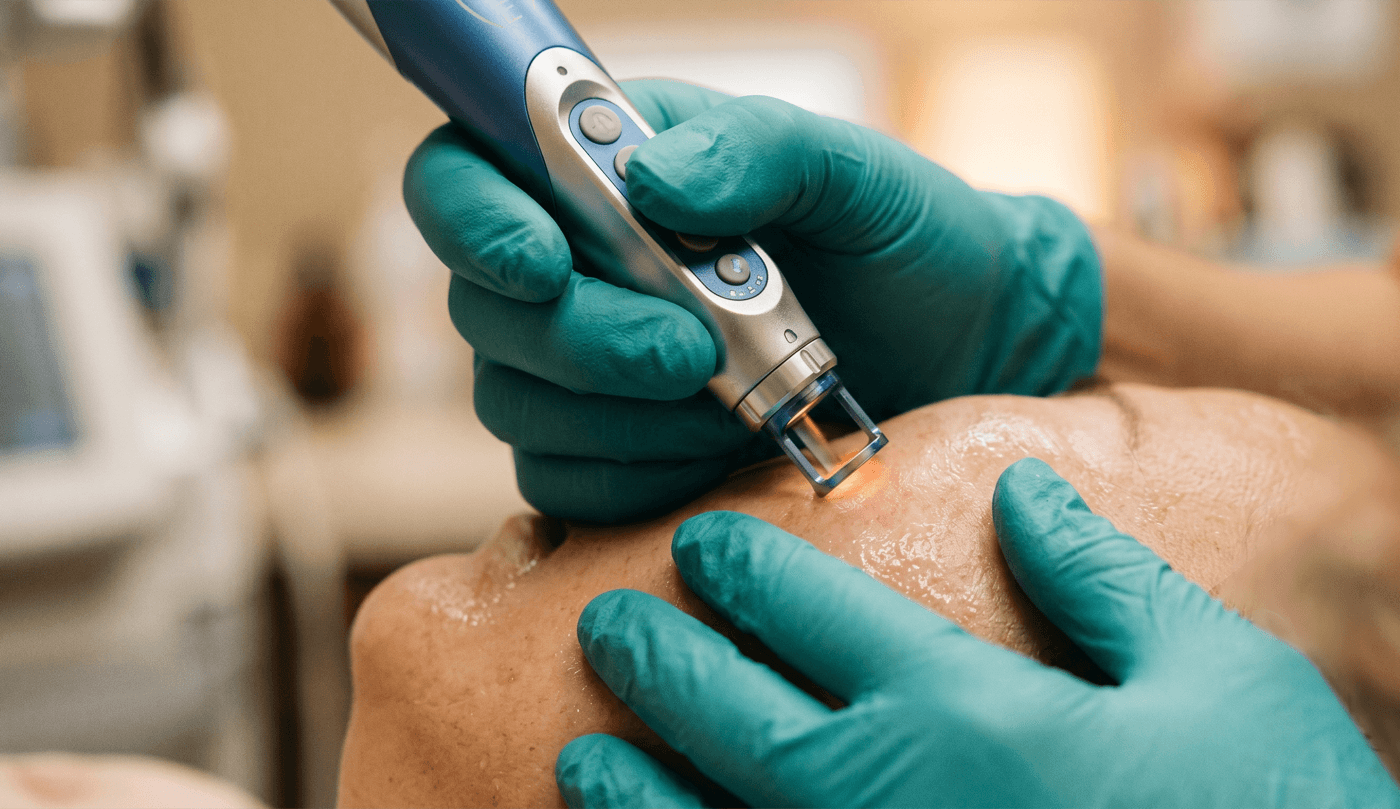
What do density and depth actually mean on a CO₂ laser?
Laser Resurfacing · Reviewed July 2026
Density controls what percentage of the skin surface is ablated; depth controls how far into the dermis the energy travels. Two providers can both call it full-face CO₂ and deliver entirely different procedures, recovery times, and results.
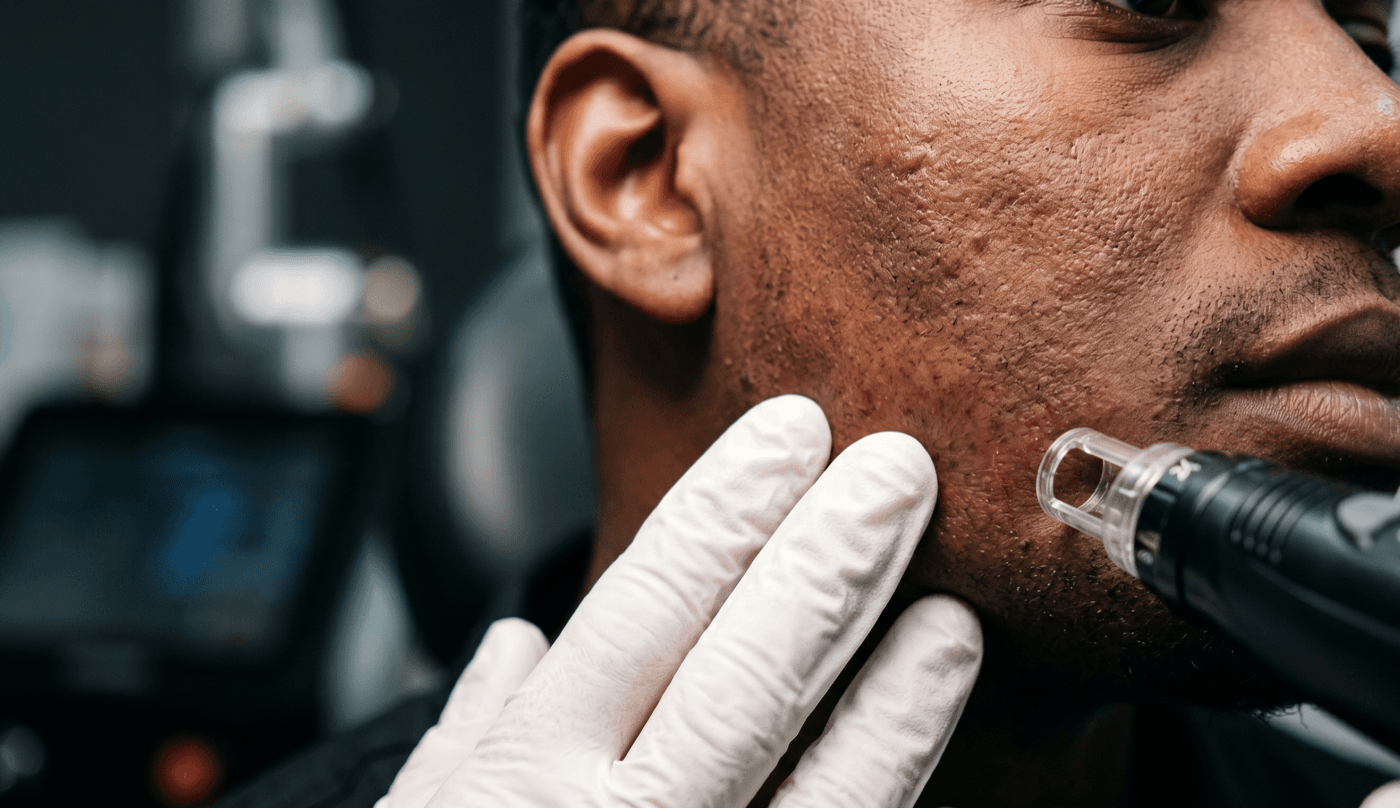
Which acne scars respond to CO₂ laser, and which need something else first?
Acne Scarring · Reviewed July 2026
Ice pick, boxcar, and rolling scars have different geometry and respond to different tools. Rolling scars are tethered from below and won't lift with resurfacing alone — assuming one laser clears a mixed scar field is why patients finish a series disappointed.
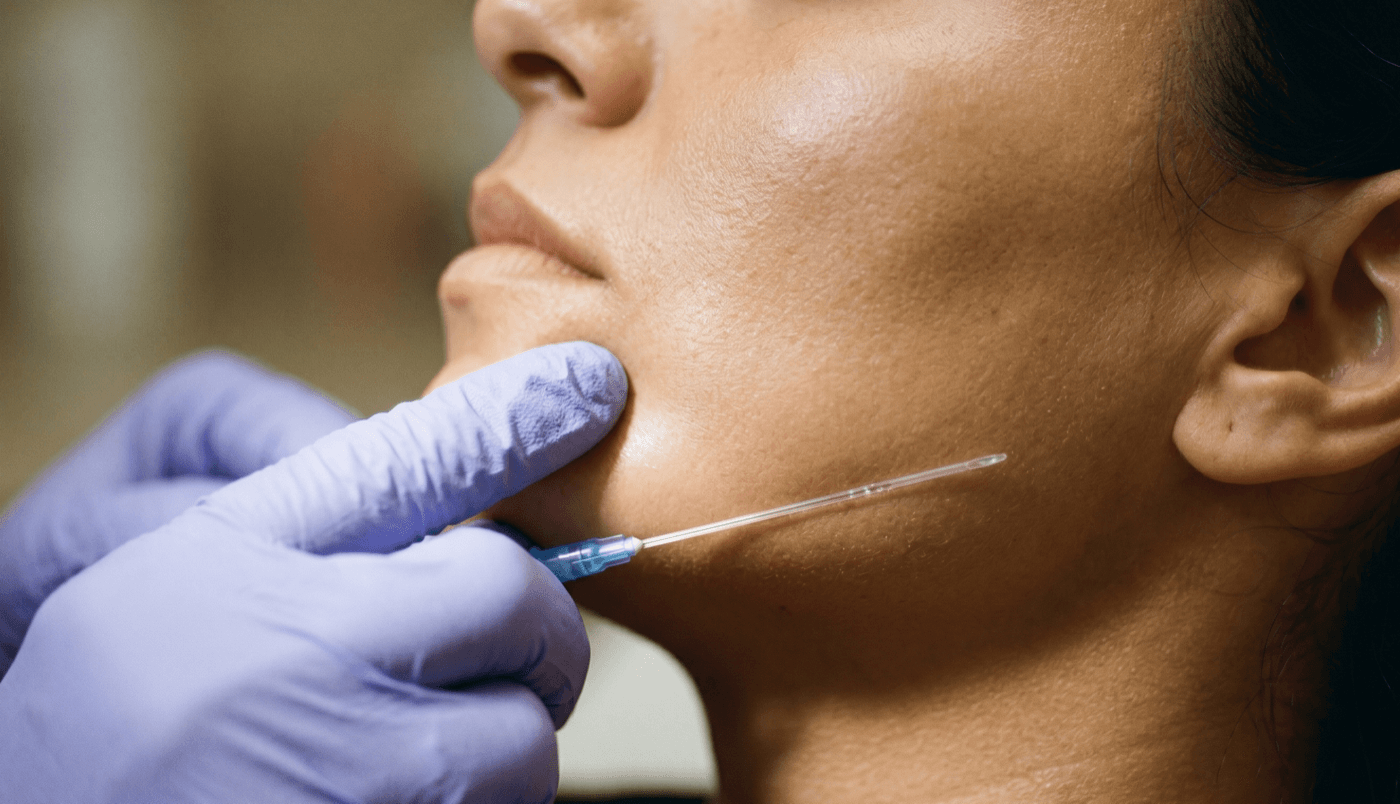
What can a thread lift actually lift, and what sets the limit?
Thread Lifts · Reviewed July 2026
Barbed threads reposition soft tissue by anchoring it higher — which works when laxity is mild to moderate and the tissue isn't heavy. The weight of the tissue, not the patient's age, is what determines whether a thread lift holds.
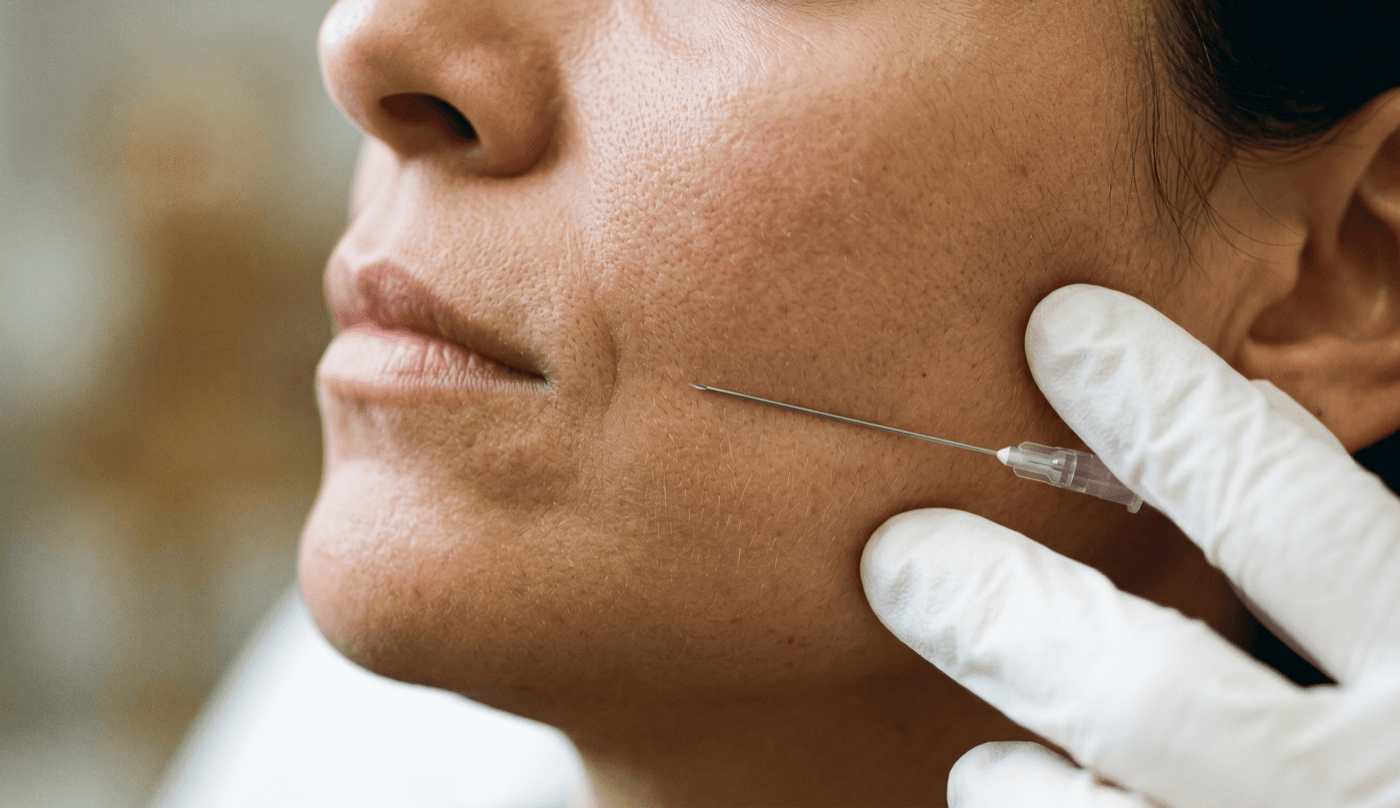
If PDO threads dissolve in six months, why does the result last longer?
Thread Lifts · Reviewed July 2026
Polydioxanone hydrolyzes and is gone in roughly six months, yet the result frequently outlasts it. The support you keep comes from collagen and fibrous tissue deposited along the thread tract, not from the thread itself.
Why did the risk picture for menopausal hormone therapy change?
Hormone Therapy · Reviewed July 2026
The 2002 trial that reshaped how a generation viewed hormone therapy enrolled participants at an average age of 63 — more than a decade past menopause. Later analysis by age at initiation produced a materially different picture for women starting near the transition.
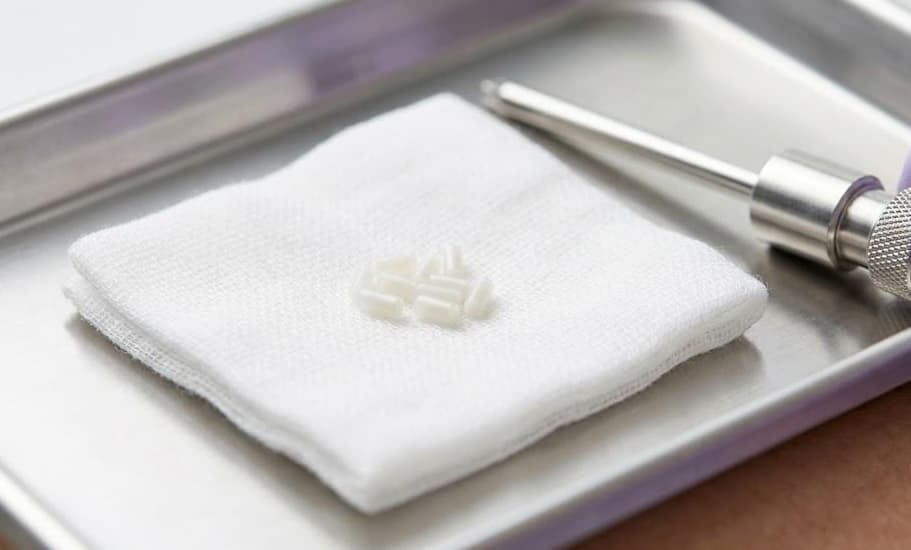
Pellets, injections, or creams — what actually differs is the release curve
Hormone Therapy · Reviewed July 2026
Delivery route determines the shape of your hormone levels over time, and that shape drives both symptom control and side effects. The meaningful difference between pellets and injections is whether the dose can be changed after it's been given.
Why do reconstitution and hydration time change your Sculptra result?
Biostimulators · Reviewed July 2026
Poly-L-lactic acid arrives as a freeze-dried powder that must be reconstituted and hydrated before injection. Dilution volume, hydration time, and placement plane are three of the largest variables separating smooth collagen from a palpable nodule.
How many vials of Sculptra do you actually need?
Biostimulators · Reviewed July 2026
The number tracks the volume deficit being corrected — which tracks age and facial structure, not the result you have in mind. Under-dosing is the most common reason patients conclude the product didn't work for them.
Why does the FDA warn against butt fillers, and what separates that from a medical protocol?
Body Contouring · Reviewed July 2026
No injectable filler is approved for large-scale body contouring, including the buttocks. That warning targets high-volume and illicit injection — understanding exactly what it covers, and what it doesn't, is the most important information in this category.
Are hip dips fat, and can injectables actually remove them?
Body Contouring · Reviewed July 2026
Hip dips are skeletal geometry, not a fat deposit. The depression sits between the iliac crest and the greater trochanter, and its depth is set by pelvic width and femoral anatomy — which changes what any injectable can honestly promise.
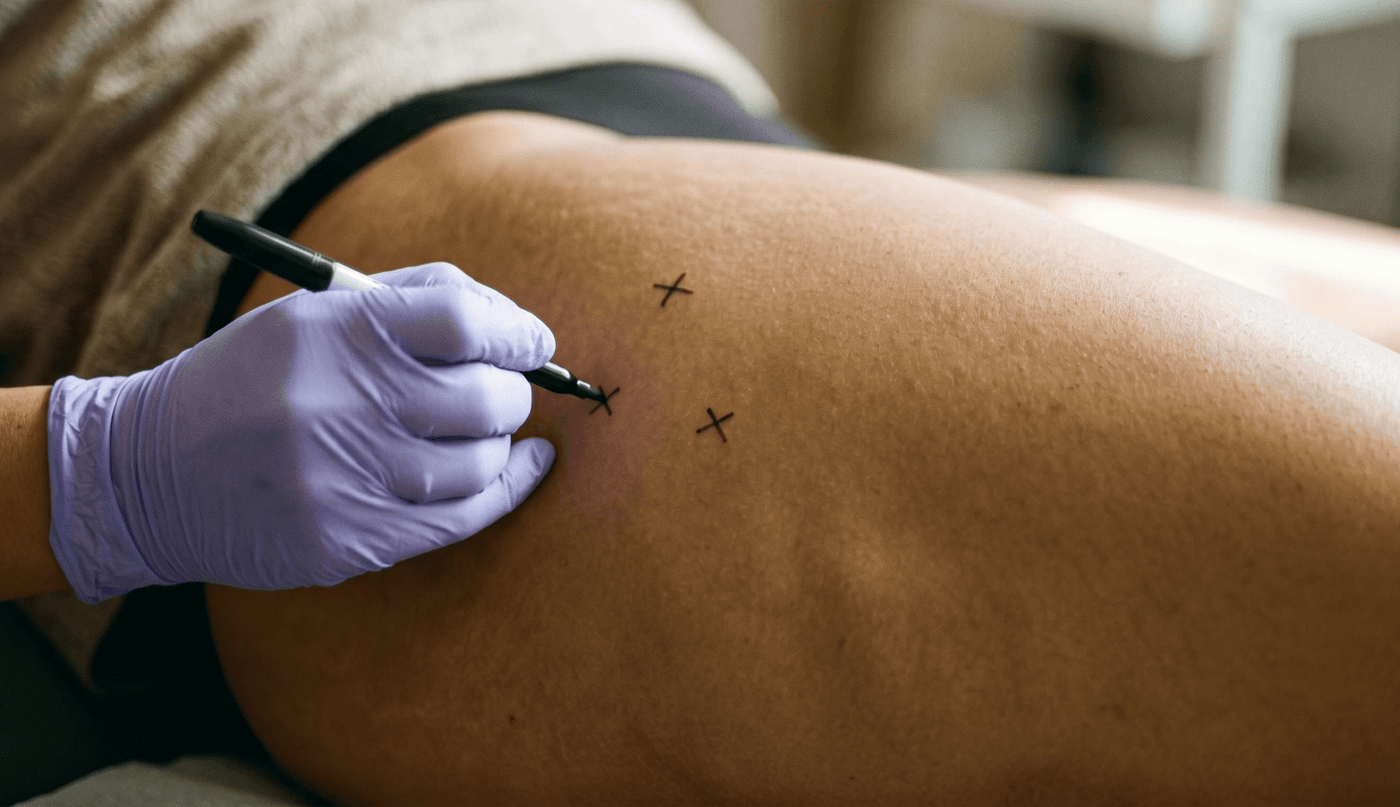
Why doesn't losing weight get rid of cellulite?
Cellulite · Reviewed July 2026
Cellulite is a tethering problem, not a fat problem. Fibrous bands anchor the skin to deeper tissue and pull it inward at fixed points. Losing fat doesn't release them, and in some patients it makes the dimpling more visible rather than less.
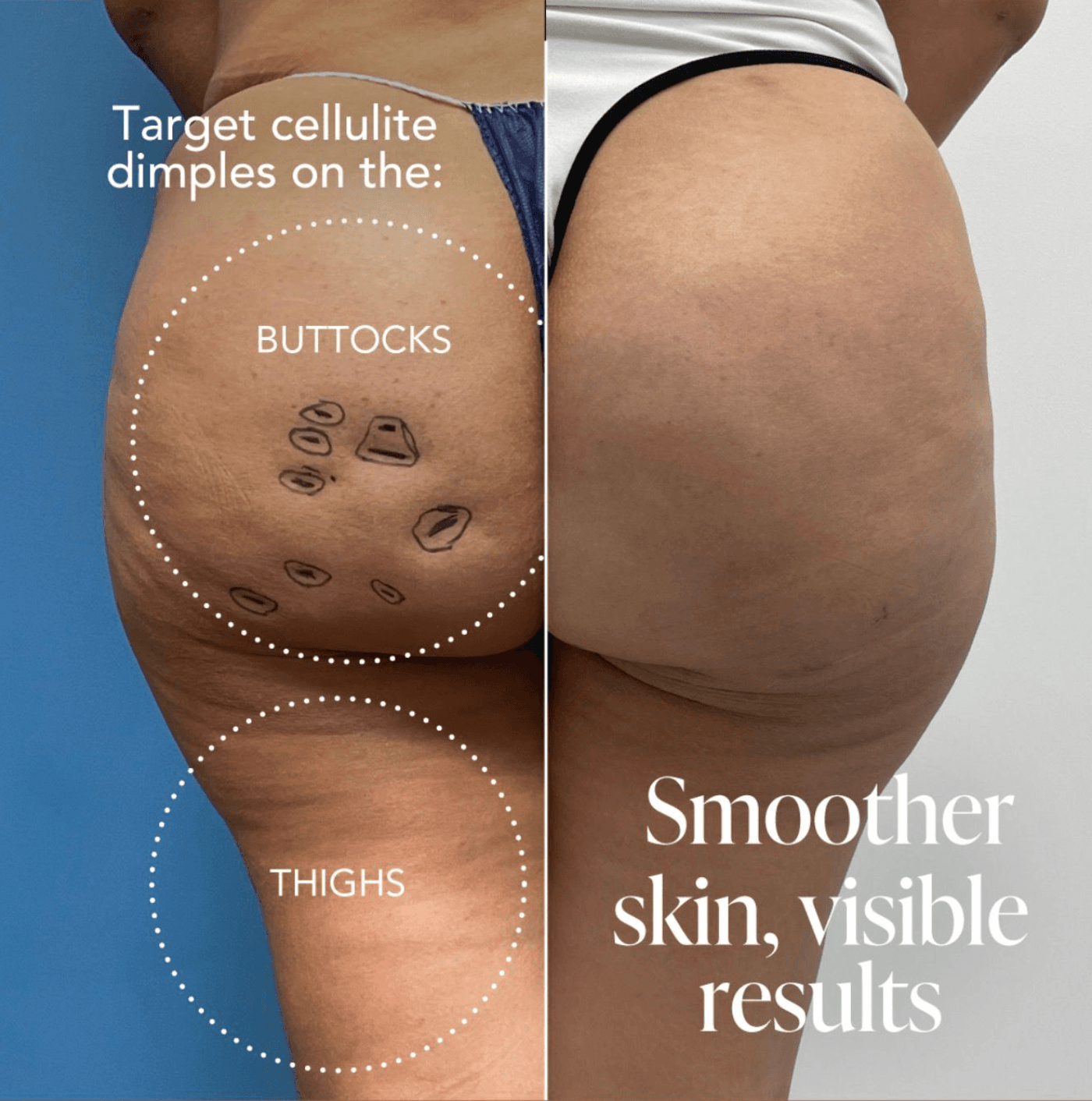
What can Avéli treat, and what will it not fix?
Cellulite · Reviewed July 2026
Avéli is a targeted release of the specific fibrous bands causing individual dimples, in one visit under local anesthetic with real-time confirmation that each band is released. It treats dimples — not loose skin or general surface texture.
What determines injectable cost?
Injectable Pricing · Reviewed June 2026
Botulinum toxin is billed per unit, dermal filler per syringe — your total is driven by what your anatomy needs, not a flat rate. Unit counts shift with muscle mass, treatment area, and provider precision.
What determines laser resurfacing cost?
Laser Resurfacing Pricing · Reviewed June 2026
Ablative CO₂ and non-ablative devices sit at different price points for the same reason they deliver different results — intensity, downtime, and session count move together. Treatment area and Fitzpatrick skin type further shape the plan.
Is RF microneedling worth it?
RF Microneedling · Reviewed June 2026
The device delivers radiofrequency energy into the reticular dermis — a depth no surface facial can match. The value case rests on a 3-session series that compounds collagen remodeling, not a single appointment.
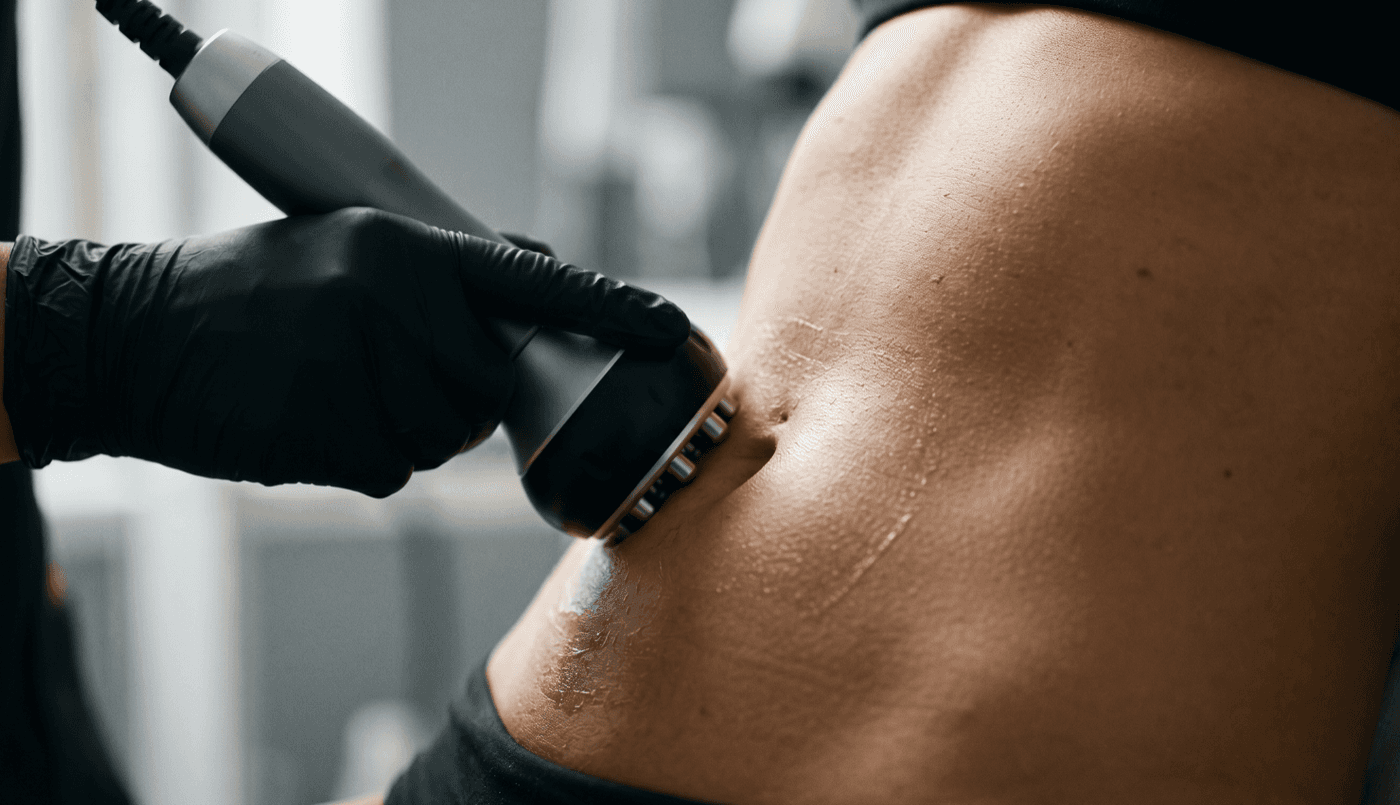
What determines body contouring cost?
Body Contouring Pricing · Reviewed June 2026
Cost scales with the number of areas and sessions in the plan — and fat-reduction devices and skin-tightening devices are different tools at different price points. Candidacy near your goal weight is what determines whether either investment pays off.
Lip filler — how much do you need?
Lip Filler · Reviewed June 2026
Most natural results start at one syringe, and more volume isn't better — it's just larger. HA filler lasts 6–12 months in the lips and is fully reversible, which makes a staged, conservative approach almost always the right call.
RF microneedling vs. laser resurfacing — which is right for you?
Treatment Comparison · Reviewed June 2026
RF microneedling reaches deeper for laxity and works across more skin tones. Laser wins for surface pigmentation and sun damage. They solve different problems — and many patients benefit most from both in sequence.
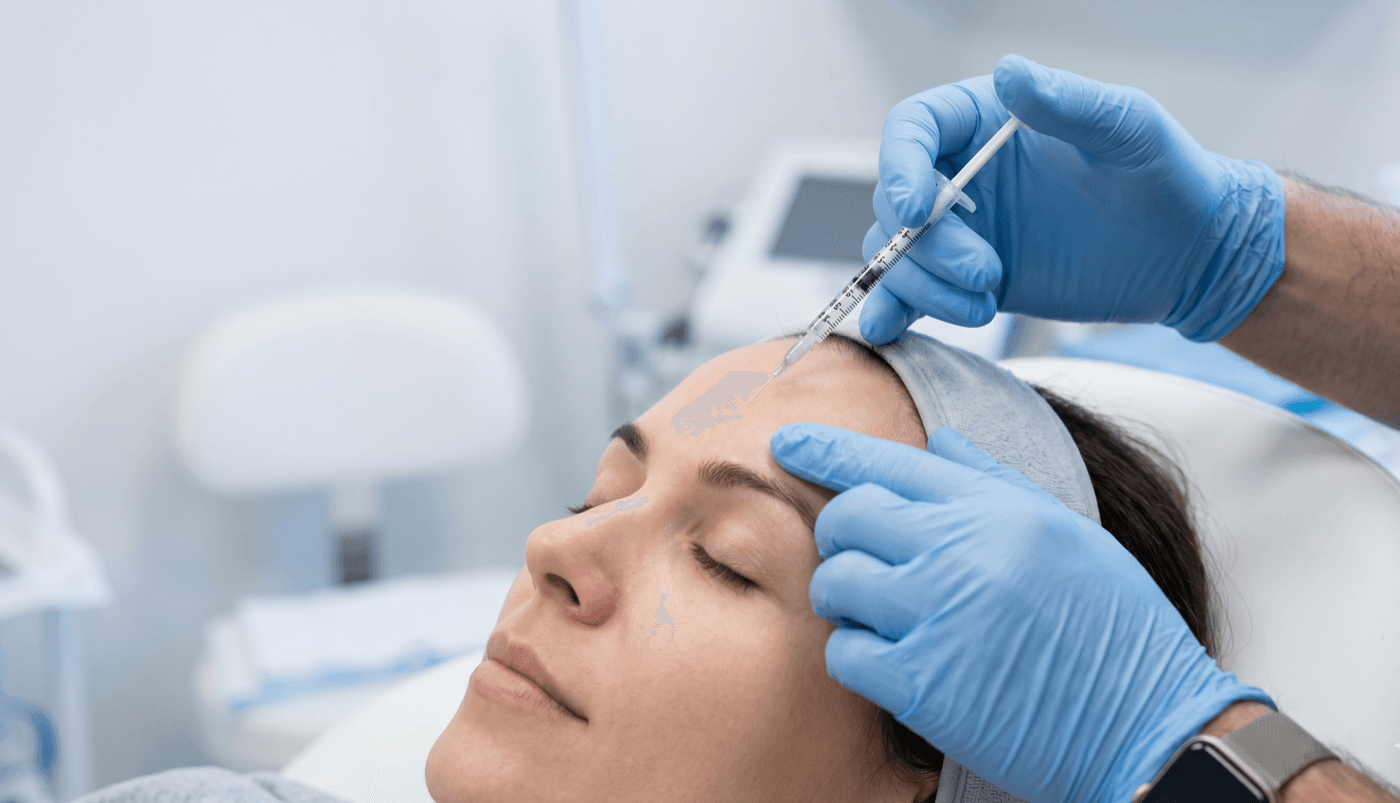
Neuromodulators compared — Botox, Dysport, Xeomin, and Daxxify
Neuromodulator Comparison · Reviewed June 2026
All four relax expression muscles through the same mechanism — but they differ in diffusion, onset, and duration in ways that make each better suited to specific areas and goals. The right choice is anatomy-dependent, not brand-dependent.
Filler vs. biostimulator — what's the difference?
Filler & Biostimulators · Reviewed June 2026
HA filler adds immediate, dissolvable volume. Biostimulators like Sculptra and Radiesse trigger your own collagen over weeks — longer-lasting but not reversible. The right choice depends on whether you need precise correction or broad structural restoration.
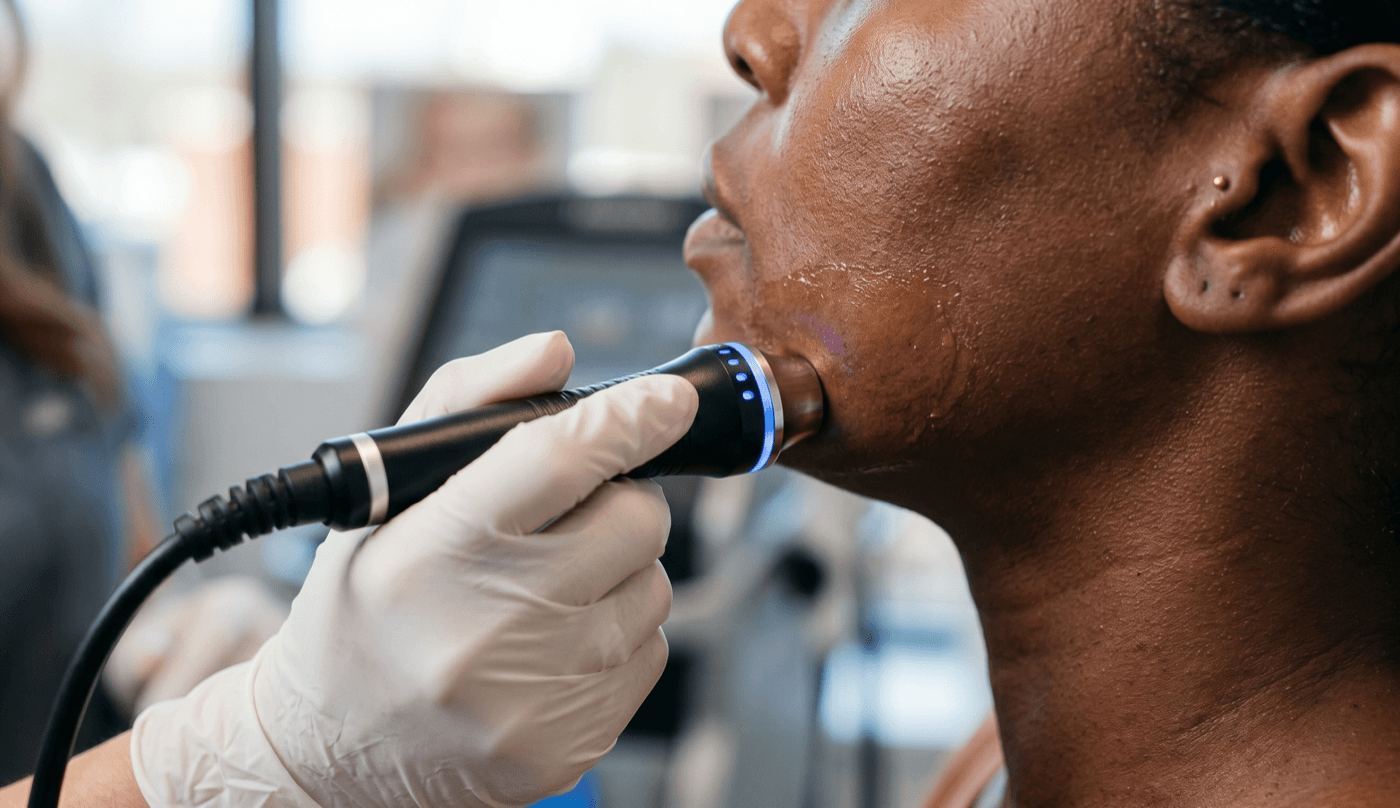
Surgical vs. non-surgical tightening — which is right for you?
Skin Tightening · Reviewed June 2026
Energy devices produce real improvement in mild-to-moderate laxity — but once sagging is significant, only surgery delivers. The honest threshold, plainly stated.
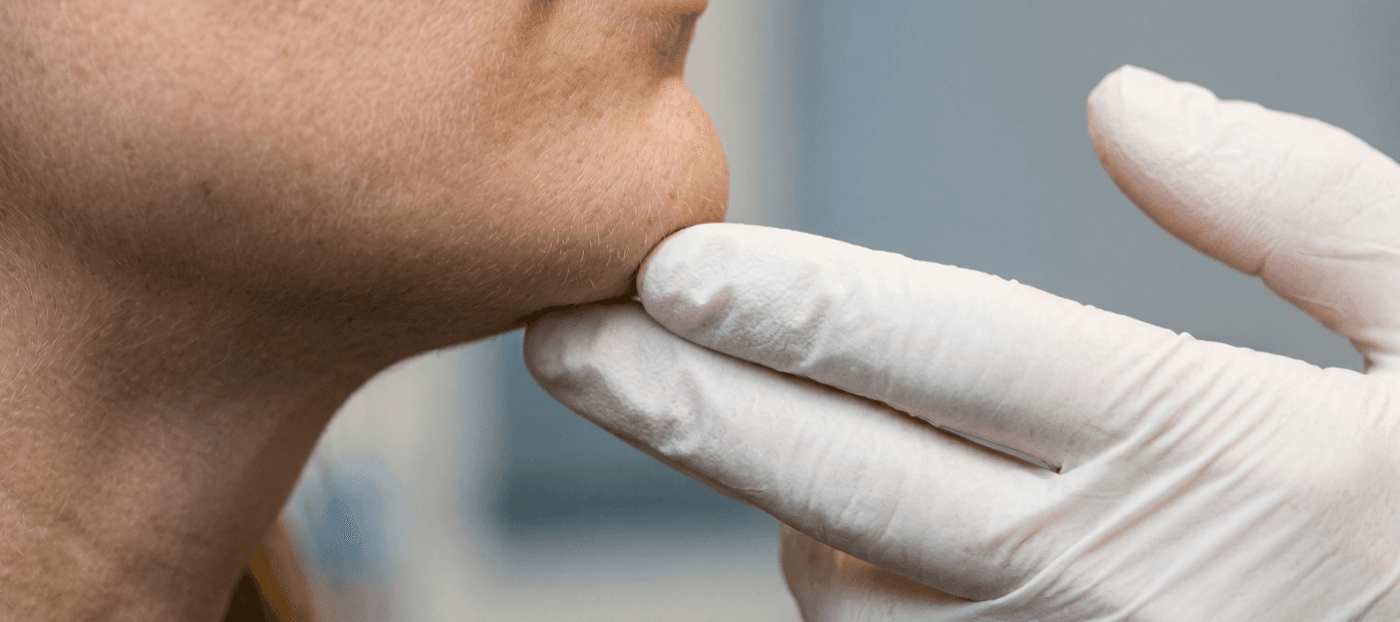
Threads vs. filler vs. energy for the jawline — which is right for you?
Jawline Treatments · Reviewed June 2026
Volume loss, skin laxity, and soft-tissue descent each soften the jawline differently — and each calls for a different tool. The right answer depends on which of the three you're actually dealing with, and often it's more than one.
Med spa vs. dermatologist vs. plastic surgeon — which do you need?
Provider Selection · Reviewed June 2026
Dermatologists treat skin disease. Plastic surgeons do surgical correction. A physician-led med spa handles non-surgical aesthetics. The label matters less than the quality of medical oversight behind it.
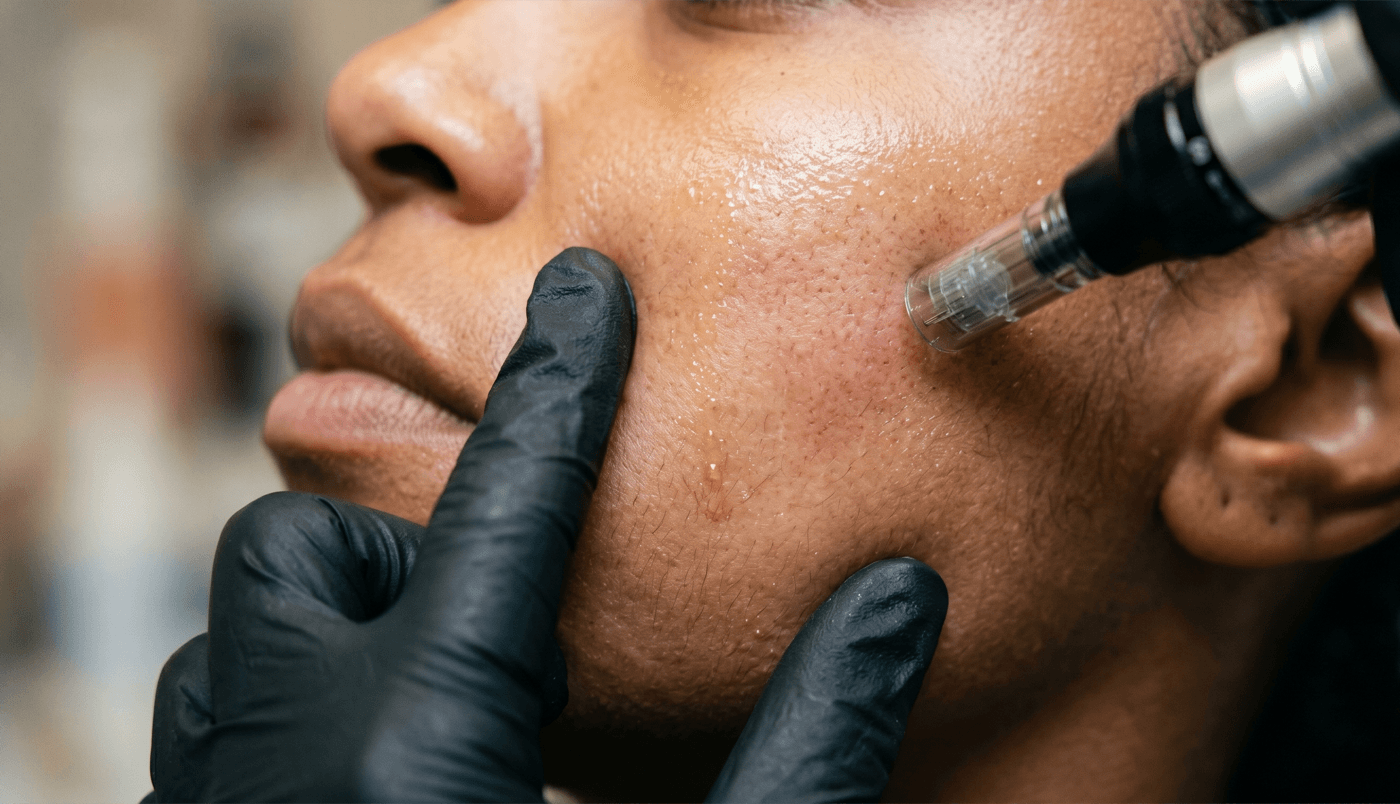
Who is a good candidate for RF microneedling?
RF Microneedling · Reviewed June 2026
Effective across most skin tones for atrophic scars, texture, and mild laxity. Active breakouts, isotretinoin use, and pregnancy are reasons to wait.
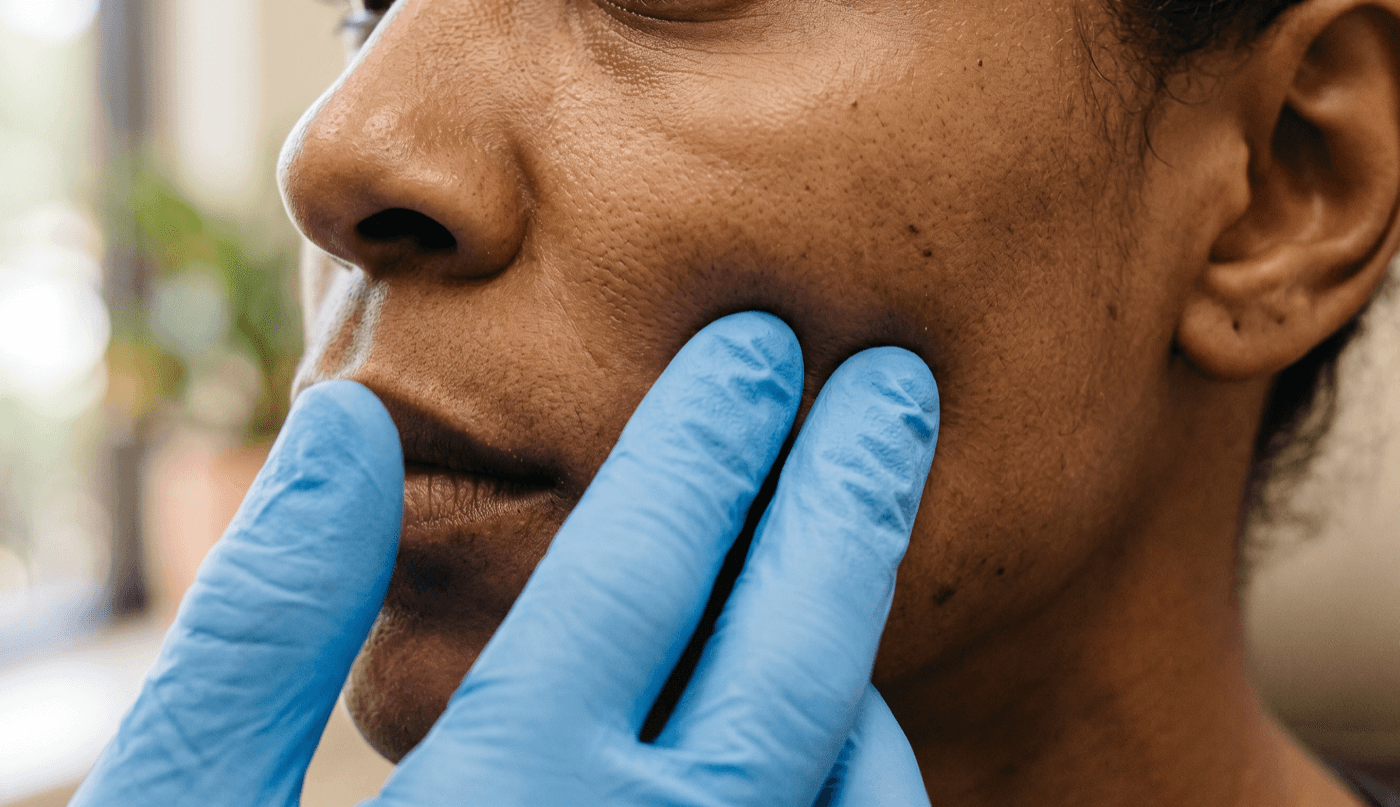
Who should not get filler?
Filler Safety · Reviewed June 2026
Active infection, certain autoimmune conditions, pregnancy, dental timing, and vaccine timing — the filler contraindications most sites don't explain.
When does preventative tox make sense?
Neuromodulators · Reviewed June 2026
The signal is dynamic lines that linger at rest after expressions — typically late 20s to early 30s, but anatomy-dependent, not age-dependent.
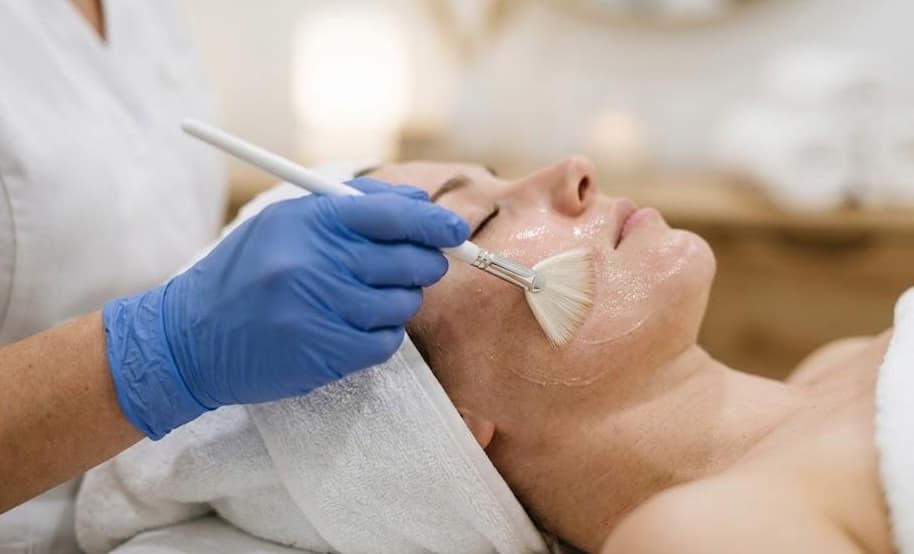
Treating deeper skin tones safely — what changes?
Device Safety · Reviewed June 2026
Device selection and settings are a patient safety issue for Fitzpatrick types IV–VI, not a preference. The PIH risk, which wavelengths minimize epidermal thermal load, and what experienced oversight changes.
How long do medspa treatments last?
Treatment Planning · Reviewed June 2026
Tox ~3–4 months. HA filler 6–18 months by area. Biostimulators 18–24+ months. RF microneedling holds 1–2 years with maintenance. Laser varies. What metabolism, area, sun, and skincare do to each timeline.
What's the real downtime for each treatment?
Treatment Planning · Reviewed June 2026
Tox has none. Filler peaks at 24–48 hours of swelling and bruising. RF microneedling clears in 2–3 days. Ablative laser means a week or more. An honest day-by-day and what to plan around an event.
RF microneedling — how many sessions do you need?
RF Microneedling · Reviewed June 2026
The standard is 3 sessions spaced 4–6 weeks apart because collagen remodels over weeks, not days. Why one isn't enough, the wound-healing cascade behind the spacing, and how maintenance works.
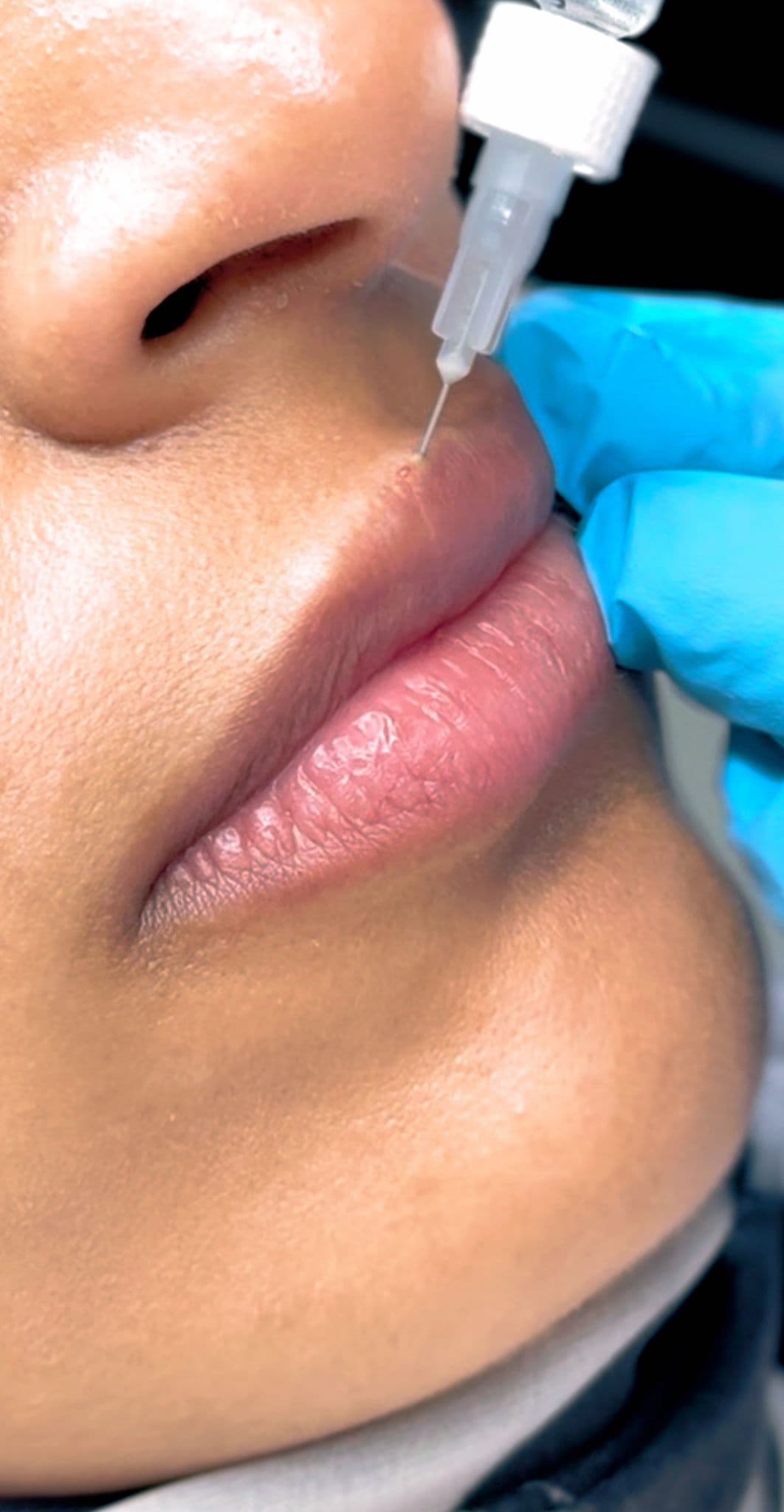
Why filler swelling tricks you — and the 2-week rule
Filler · Reviewed June 2026
Day-one filler is acute swelling plus product — they look identical but resolve on different timelines. HA then hydrates and softens for weeks. Why touch-ups before 4 weeks are risky, and what this means for event timing.
What "natural-looking" actually requires
Treatment Planning · Reviewed June 2026
Natural-looking is a function of dosing, layering, and restraint — not the product. What over-treatment actually looks like, why starting conservative is technique not timidity, and what a good provider recommends.
What can go wrong with filler?
Filler Safety · Reviewed June 2026
The serious risk is vascular occlusion — filler entering a blood vessel, blocking circulation to downstream tissue. Rare, but the potential consequences explain why anatomy-trained injectors, on-site hyaluronidase, and a clinical setting are non-negotiable.
How to vet a med spa — the questions that matter
Provider Selection · Reviewed June 2026
Who is the medical director, is there a pre-treatment assessment, can they name provider credentials, and what's the complication protocol? The four questions that separate a clinical practice from a retail one.
Why physician oversight matters at a med spa
Medical Oversight · Reviewed June 2026
Botulinum toxin is a prescription drug. Dermal fillers are Class III medical devices. Energy devices deliver controlled injury to tissue. What a physician medical director actually does — protocols, candidacy screening, prescribing authority, accountability.
Side effects vs. red flags — what's normal and what warrants a call
Recovery & Safety · Reviewed June 2026
Redness, swelling, and bruising are expected. Skin blanching at a filler injection site, vision changes, or swelling that worsens after day two are not. A per-treatment normal-recovery guide and the specific escalation signs.
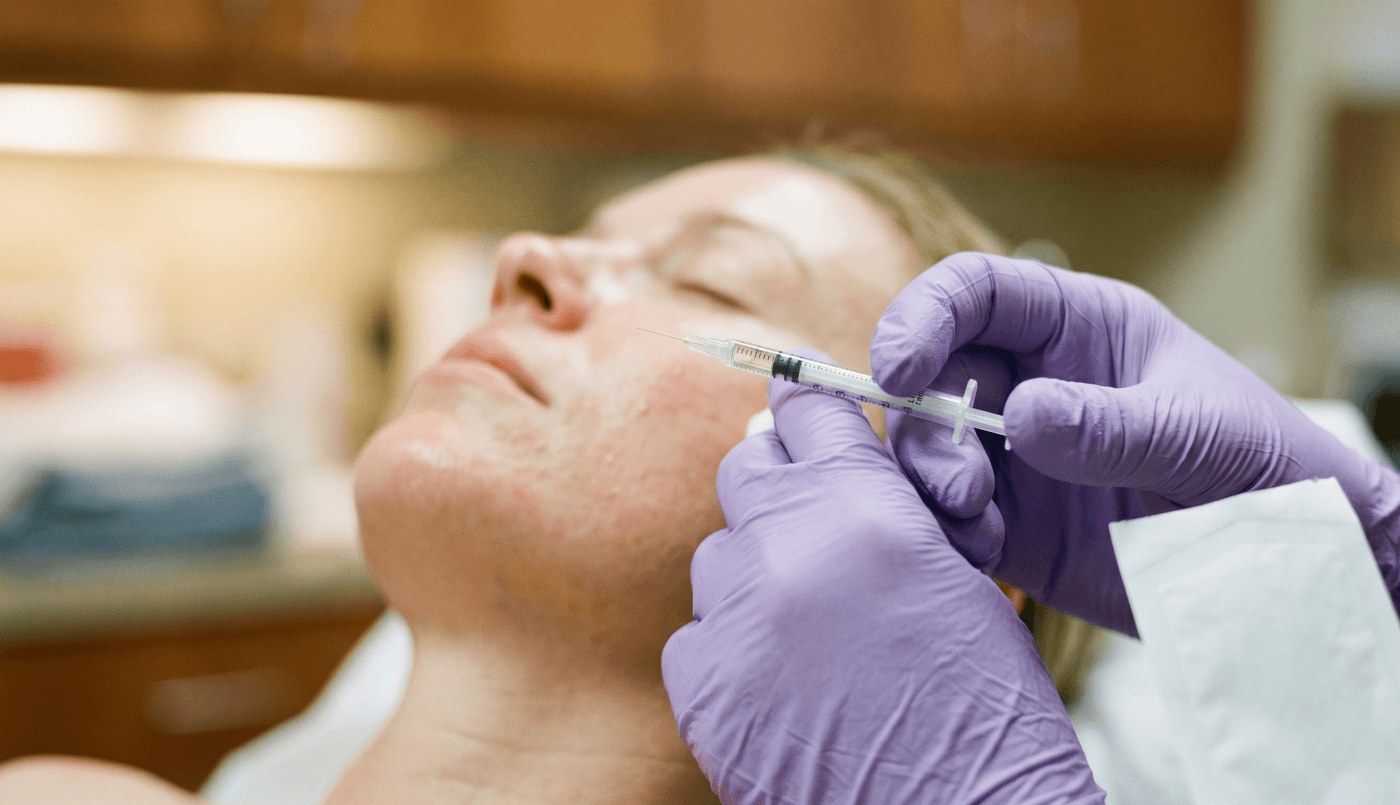
How to combine treatments — what to pair same-day, what to space, and the right order
Treatment Sequencing · Reviewed June 2026
Tox and filler pair safely same-visit. Energy devices need at least two weeks of separation from injectables on the same zone. A multi-treatment plan runs structural to surface — biostimulators first, resurfacing last — and the order is not arbitrary.
A year-long aesthetic plan — how to layer treatments over 12 months
Annual Planning · Reviewed June 2026
Front-load biostimulators and RF microneedling in Q1 so collagen compounds through the year. Maintain tox on a 12–14 week cadence. Spring for IPL, fall for ablative laser. A sample sequence and the logic that makes the full year more than the sum of individual appointments.
Pre-event treatment timeline — 6 months, 1 month, 1 week out
Event Prep · Reviewed June 2026
Collagen treatments need 4–6 months to fully express. Filler needs at least 2 weeks — ideally 4–6. Tox belongs 2–3 weeks before, at peak effect on the day. A Hydration Facial 1–3 days before. The rule that governs all of it: never try something new in the final two weeks.
Skin quality vs. structure — why the best results layer both
Skin Quality & Structure · Reviewed June 2026
Resurfacing treats the surface: texture, tone, dyschromia, fine lines. Injectables and collagen treatments address what's underneath: volume loss, laxity, structural decline. Why each underdelivers alone — and how layering them compounds the result.

IV therapy & vitamin injections — what the evidence actually supports
IV & Vitamin Therapy · Reviewed June 2026
B12 injection has strong evidence for deficiency and absorption impairment. IV hydration for genuine dehydration is supported. General wellness claims — energy, immunity, anti-aging — are weakly supported in non-deficient patients. An honest evidence summary and why clinical screening is the real differentiator.
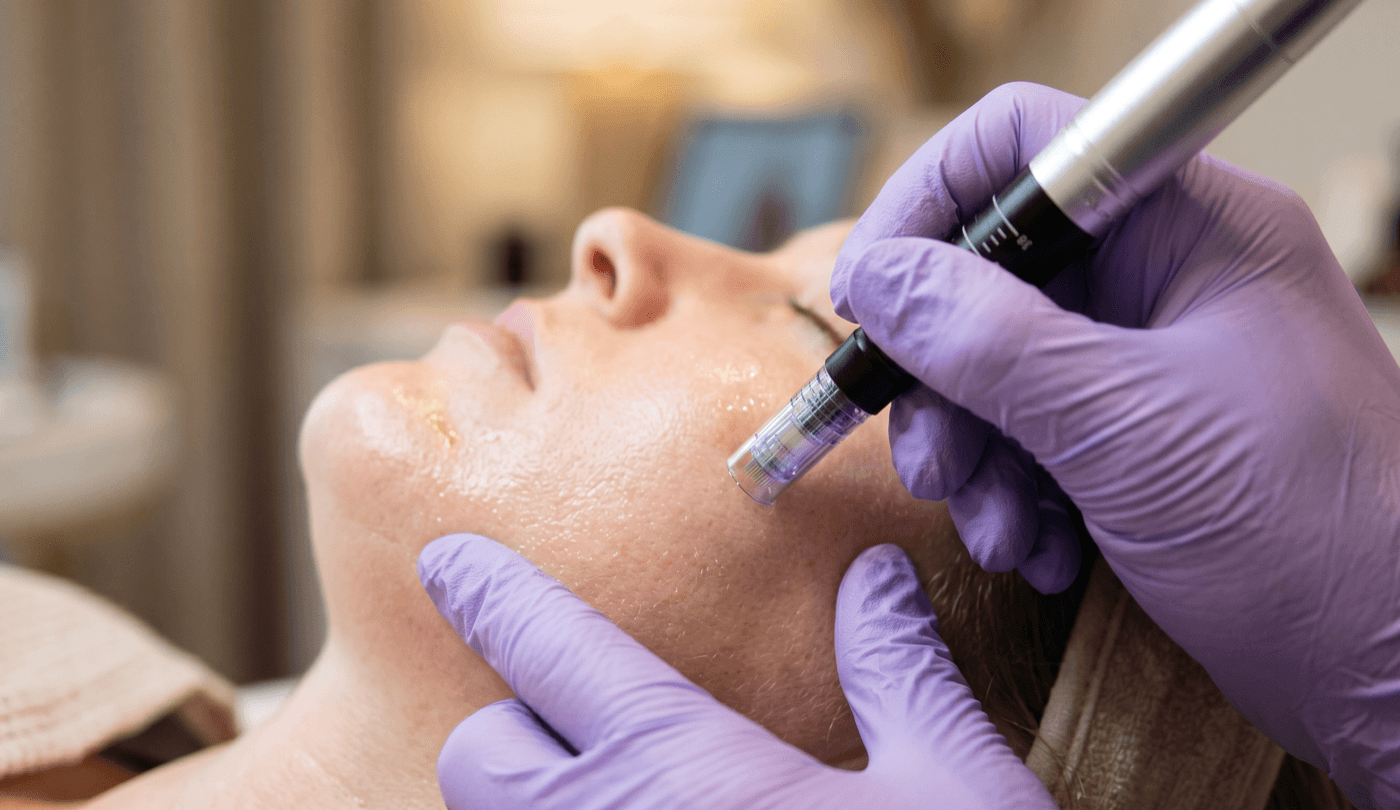
PRP & PRF for skin and hair — what it realistically does
PRP & PRF · Reviewed June 2026
Autologous growth factors from your own blood — for skin texture, under-eye hollow, and early hair thinning. A 3-session series is standard; results build over months, not immediately. Meaningful improvement in well-matched indications, not transformation.
Energy-based body contouring — fat reduction vs. skin tightening
Body Contouring · Reviewed June 2026
Fat-reduction devices destroy localized subcutaneous adipocytes — ~20–25% reduction per area, not weight loss. Skin-tightening devices remodel collagen for laxity. Two different mechanisms for two different problems, and why combining them often produces what neither achieves alone.
Lunchtime treatments — no-downtime options that fit a workday
Lunchtime Treatments · Reviewed June 2026
Tox: 15–30 min appointment, bumps flatten in 20–30 min, back at a desk within the hour. Hydration Facial and light peels: mild pink for 60–90 minutes, then nothing. What qualifies — and what definitively doesn't — filler, RF microneedling, resurfacing.
How sun and humidity change your treatment plan
Climate & Sun · Reviewed June 2026
High-UV environments change laser timing, raise PIH risk during recovery, and make melasma harder to manage. Fitzpatrick IV–VI patients face compounding risk year-round. Year-round SPF 30+ is the clinical baseline that makes any pigmentation treatment hold.
Low-maintenance routines for a busy schedule
Low-Maintenance Planning · Reviewed June 2026
Quarterly tox, 1–2 collagen treatments per year, SPF, and a retinoid — under 6 hours of appointments annually. Patients who sustain this framework consistently outperform patients who do more treatments sporadically and stop.